
What Makes Porcelain Tableware Chip Sooner Than Expected?
Porcelain tableware is expected to deliver durability, hygiene, and a premium appearance, yet premature chipping remains a common quality and safety concern in foodservice environments. For quality control and safety managers, understanding why chips occur earlier than expected is essential to reducing breakage, preventing contamination risks, and improving product performance across storage, handling, washing, and daily commercial use.
Why does porcelain tableware chip earlier in commercial kitchens?
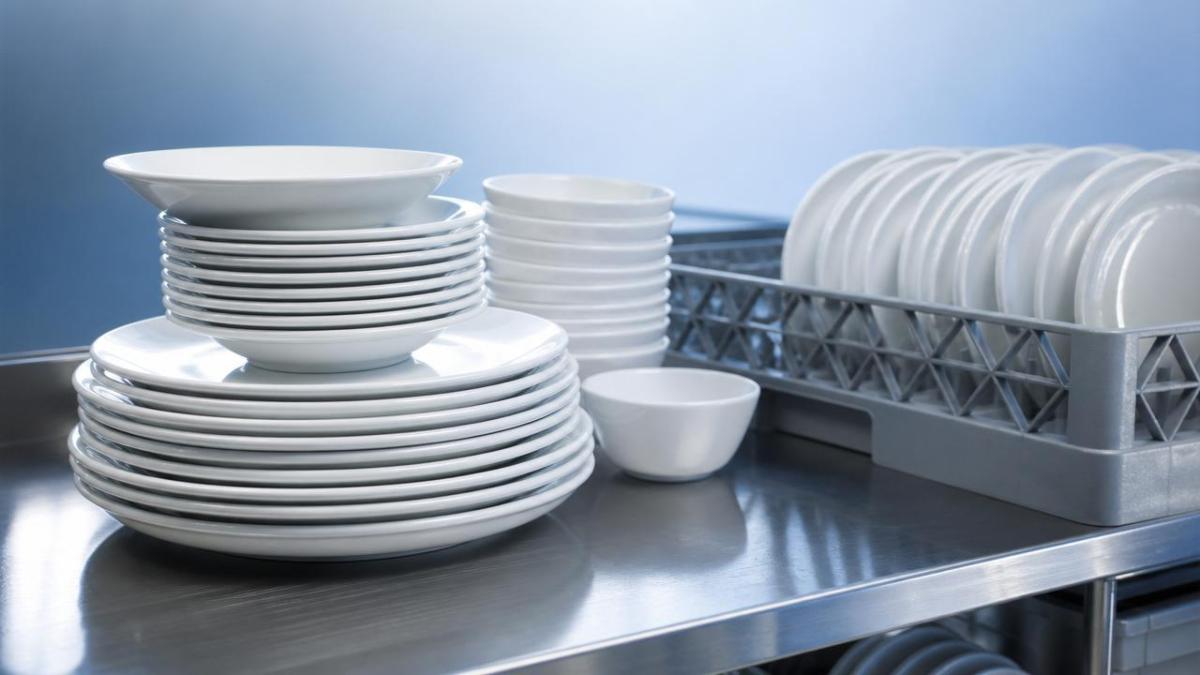
In restaurants, hotels, central kitchens, and food processing support areas, porcelain tableware faces a harsher reality than most buyers assume. Chipping rarely comes from one single defect. It usually results from the interaction of material design, production control, logistics, storage, dishwashing, and front-of-house handling.
For quality control teams, the key issue is not only visible damage. A chipped rim can create foreign body risk, weaken sanitation confidence, increase replacement cost, and trigger complaints during audits. In high-turnover foodservice systems, even a small rise in chip rate can quickly become a measurable safety and cost problem.
The kitchen equipment industry is moving toward smarter and more efficient operations, but tableware still depends heavily on basic durability. As kitchens adopt automated warewashing, tighter rack density, and faster service cycles, porcelain tableware must withstand more impact events in less time. That makes chip resistance a practical procurement criterion, not a cosmetic preference.
- Repeated edge-to-edge contact during stacking, transport, and dish return.
- Mechanical shocks from conveyor systems, wash racks, and bus carts.
- Thermal stress when hot ware is exposed to rapid cooling or uneven heating.
- Manufacturing variation in body density, glaze fit, and rim reinforcement.
- Poor matching between tableware design and the actual operating environment.
When porcelain tableware chips sooner than expected, the fastest mistake is to blame user handling alone. In many cases, the root cause starts earlier, during specification, sample evaluation, or supplier quality review.
Which material and production factors make porcelain tableware more vulnerable?
Not all porcelain tableware is built for the same service intensity. Products designed mainly for home use may look similar to commercial ware, but their structure and tolerance for repeated impact can differ significantly. For quality managers, the most important technical question is whether the body and glaze system are balanced for heavy use.
Body composition and firing stability
A well-fired porcelain body should have consistent density, limited internal stress, and stable dimensional control. If firing is uneven, the final body may contain residual stress points that make rims and foot rings more prone to small fractures. These fractures often start as micro-damage and only become visible after repeated use.
Glaze fit and surface behavior
Glaze does more than create appearance. If the glaze and body expand or contract at mismatched rates, the surface can add tension instead of protection. This may not cause immediate breakage, but it can reduce long-term resistance to impact and thermal cycling, especially at rims and corners.
Design geometry
Thin edges, sharp transitions, heavy wide plates, and unstable stacking features all increase chip exposure. A visually elegant profile may perform poorly in banquet, cafeteria, or conveyor wash operations where lateral contact is frequent. Durable porcelain tableware usually shows better edge mass distribution and more stable stack alignment.
The table below summarizes common production-related causes behind premature chipping in porcelain tableware and the practical signs that inspection teams should watch for during incoming quality checks.
For commercial procurement, these factors matter more than showroom appearance. A plate that looks refined but performs poorly in warewashing and transport will create hidden replacement and safety costs across the operation.
How do handling, warewashing, and storage accelerate chipping?
In many facilities, porcelain tableware passes through more stress in the back of house than on the dining table. Chips commonly develop during collection, sorting, washing, stacking, and redistribution. That is why safety managers should map the full movement path instead of focusing only on end use.
Dish return and sorting impact
When used plates are dropped into bins, nested too tightly, or pushed quickly along sorting counters, rim-to-rim contact becomes frequent. Repeated small impacts often cause more cumulative damage than one obvious accident.
Mechanical dishwashing conditions
Fast-cycle washing improves labor efficiency, but overloaded racks and unstable placement increase collision points. Hot wash followed by cool ambient exposure can also add thermal stress. While porcelain generally tolerates heat well, sudden temperature change and wet handling can reduce practical durability in busy operations.
Storage and transport inside the site
Tall stacks, hard contact surfaces, and carts without shock control can turn routine movement into a major source of chipping. Foot ring damage is also common when shelves are rough or when plates are dragged instead of lifted.
- Separate receiving, washing, and service observations to identify where the first visible chips appear.
- Check whether racks, shelves, and carts match the diameter, depth, and stacking profile of the porcelain tableware.
- Review staff practices for unloading dishwashers, busing tables, and clearing banquet service.
- Track chip frequency by SKU, use zone, and shift to separate material issues from process issues.
A useful rule is simple: if chips cluster on rims, handling and stacking may dominate; if chips appear near the foot ring, storage surfaces and shelf movement may be the stronger cause; if random fractures appear after wash cycles, thermal or mechanical process stress should be reviewed.
What should QC and safety teams compare before buying porcelain tableware?
Choosing porcelain tableware for commercial kitchens is not only about style, unit price, or country of origin. Quality and safety managers need a cross-functional comparison that links durability to hygiene risk, workflow fit, and replacement predictability.
The comparison below helps teams evaluate porcelain tableware options based on operating conditions often seen in restaurants, hotels, central kitchens, and institutional foodservice.
This kind of evaluation is especially important in global sourcing. The kitchen equipment sector is increasingly international, and buyers often compare suppliers from multiple manufacturing regions. Consistency across batches, packaging integrity, and operational fit are often more important than nominal material category alone.
Which inspection points help reduce premature chipping after delivery?
Even good porcelain tableware can fail early if receiving and implementation are weak. A structured incoming inspection process can identify risk before the product enters full service. This is critical for operations with high meal volume, strict hazard control procedures, or centralized dishwashing systems.
Incoming quality checklist
- Check outer packaging condition and signs of compression, moisture exposure, or pallet instability.
- Inspect random samples for edge chips, glaze defects, body cracks, and unstable bases.
- Measure key dimensions to confirm fit with racks, shelves, dispensers, and service stations.
- Run a limited-use trial in real washing and handling conditions before full deployment.
- Record batch numbers and chip incidents so later failures can be traced by shipment.
Process controls after launch
Once the porcelain tableware enters service, monitoring should continue. A monthly chip-rate review by item type can reveal whether the issue is localized to a single SKU or linked to a process zone such as banquet transport, automated wash lines, or shelf storage.
Where possible, combine visual rejection criteria with simple operational data: pieces in circulation, pieces removed due to chips, average turns per day, and incident location. This makes supplier discussions more objective and improves reordering decisions.
How do compliance and food safety concerns change the decision?
For safety managers, chipped porcelain tableware is not only a maintenance issue. It can become a contamination and audit problem. A damaged edge may release fragments, create hard-to-clean areas, or fail internal standards for food contact equipment condition.
Although specific regulatory requirements vary by market, quality teams often align their controls with general food contact principles, documented inspection routines, traceability practices, and material suitability expectations used across professional kitchen environments.
The table below outlines practical compliance-related checks that can support safer porcelain tableware management in commercial use.
For multinational buyers and sites with formal audit programs, these controls support a more defensible decision process. They also help bridge communication between purchasing, operations, and food safety teams.
What are the most common mistakes when selecting porcelain tableware?
Mistake 1: Buying by appearance without workflow testing
A premium look does not guarantee performance. Many chip issues appear only when the item is washed, stacked, carted, and turned several times a day. Sample review should always include operational simulation.
Mistake 2: Ignoring packaging and internal logistics
Some failures attributed to manufacturing actually begin in transit or warehouse handling. If cartons, dividers, and pallet arrangements do not protect edges well, the porcelain tableware may arrive with latent damage that worsens quickly in use.
Mistake 3: Using one specification for all service zones
Buffet, room service, banquet, fine dining, and staff canteen operations do not place the same stress on tableware. A single style across all zones may simplify purchasing, but it can raise breakage cost in the most demanding environments.
Mistake 4: Measuring cost only by purchase price
A lower unit price can become more expensive if replacement frequency, labor handling, and complaint risk rise. Total cost should include service life, chip rate, process fit, and continuity of supply.
FAQ: practical questions from QC and safety managers
How can we tell whether chipping is a product issue or an operation issue?
Start by mapping where the first damage appears. If chips are concentrated in one shift, one wash line, or one service zone, process conditions may be dominant. If failures occur across sites or soon after receiving, product consistency or transport protection may be the stronger cause. A batch-based record is the fastest way to separate the two.
Is heavier porcelain tableware always more durable?
Not necessarily. Higher mass can sometimes support strength, but poor balance or unstable stacking may increase collision energy. The better indicator is how the piece distributes force at the rim, base, and stacking contact points under actual commercial use.
What should be included in a pre-purchase sample test?
A useful sample test should include washing cycles, rack fit checks, stacking trials, shelf movement, transport on carts, and visual inspection after repeated handling. It should also confirm dimensional compatibility with your existing kitchen equipment and storage layout.
When should chipped porcelain tableware be removed from service?
Any piece with a rim chip, crack, sharp edge, or rough damaged area should be evaluated against internal rejection rules and usually removed from food contact use promptly. Delayed removal increases contamination risk and makes audit findings more likely.
Why choose us for porcelain tableware selection and quality support?
In the kitchen equipment industry, durable tableware is part of a larger operational system that includes storage, washing, transport, food safety control, and service efficiency. That is why porcelain tableware selection should be based on real commercial conditions, not catalog images alone.
We can support your team with practical discussions on specification matching, usage scenarios, and risk reduction. If you are reviewing chip complaints, planning a new procurement project, or comparing supply options across markets, we can help you focus on the details that affect long-term performance.
- Confirm key parameters such as rim profile, stacking behavior, size tolerance, and wash-process fit.
- Discuss product selection for restaurants, hotels, central kitchens, canteens, and mixed-service operations.
- Review delivery timing, packaging protection, and batch consistency expectations.
- Evaluate sample support, operational trial plans, and replacement continuity requirements.
- Clarify general compliance documents, inspection points, and destination-market requirements.
- Request quotation communication based on your target volume, service intensity, and use environment.
If your goal is to reduce breakage, strengthen food safety control, and choose porcelain tableware that truly fits a demanding kitchen operation, contact us with your application details, current pain points, and expected purchasing plan.
Popular Tags
Kitchen Industry Research Team
Dedicated to analyzing emerging trends and technological shifts in the global hospitality and foodservice infrastructure sector.
Industry Insights
Join 15,000+ industry professionals. Get the latest market trends and tech news delivered weekly.
No spam. Unsubscribe anytime.
Hot Articles
 How to Size a Commercial Oven for Peak Production Without Wasting Energy
- How to Evaluate Foodservice Equipment Suppliers for Reliability, Service, and Total Cost
- How to Choose a Cutlery Set for Restaurants: Material, Durability, and Cost
- How to Evaluate Restaurant Supplies Distributors for Reliable Multi-Location Delivery


Contact With us
Contact:
Anne Yin (Ceramics Dinnerware/Glassware)
Lucky Zhai(Flatware)