
FastHeron Launches KitchenOS AI for Commercial Kitchens
FastHeron Technology will unveil its AI-native commercial kitchen operating system, KitchenOS AI, on May 15, 2026, at the Shenzhen Convention & Exhibition Center. The launch marks a significant inflection point for global foodservice operations, as it introduces a certified, interoperable platform that integrates hardware, compliance, and cross-border operational workflows — all within a single SaaS- or on-premises-deployable architecture. Its timing coincides with tightening regulatory scrutiny on food safety traceability, energy efficiency reporting, and data sovereignty in hospitality and contract catering sectors across the EU, ASEAN, and North America.
Event Overview
FastHeron Technology will debut KitchenOS AI on May 15, 2026, at the Shenzhen Convention & Exhibition Center. The system enables unified connectivity across commercial kitchen equipment brands, AI-driven energy consumption forecasting, automated food safety inspection logging, and multilingual work order dispatch for international teams. It holds ISO/IEC 27001 and GDPR compliance certifications. Initial device protocol support covers Haier, Midea, and Hisense commercial kitchen appliances. The platform is offered globally via subscription-based SaaS or localized deployment models.
Industries Affected
Direct Trading Enterprises: Companies engaged in cross-border equipment distribution (e.g., importing Chinese OEM kitchen hardware into EU or LATAM markets) face revised integration expectations. KitchenOS AI’s GDPR and ISO/IEC 27001 alignment lowers their compliance overhead for software-enabled deployments — but also raises the bar for technical documentation, API readiness, and post-sale support capabilities. Their revenue model may shift from one-time hardware markup toward bundled service margins.
Raw Material Procurement Firms: Suppliers to commercial kitchen OEMs (e.g., stainless steel fabricators, sensor module vendors, or thermal control component makers) are not directly impacted by the software launch itself. However, demand signals may evolve: increased orders for edge-compatible sensors or low-power communication modules could emerge as OEMs accelerate KitchenOS AI–ready product roadmaps. Observably, procurement timelines may compress as OEMs prioritize certification-aligned components to meet FastHeron’s interoperability requirements.
Manufacturing Enterprises: Commercial kitchen equipment manufacturers — especially those supplying Haier, Midea, or Hisense — must now allocate engineering resources to validate and certify device-level compatibility with KitchenOS AI’s communication stack and security protocols. This adds development cycle time and testing costs, though it also creates a defensible differentiation opportunity for early adopters. From a strategic perspective, delayed integration may weaken competitive positioning in tenders requiring AI-operated kitchen ecosystems.
Supply Chain Service Providers: Third-party maintenance, calibration, and remote diagnostics providers face dual implications. On one hand, KitchenOS AI’s automated fault logging and multilingual ticketing reduces manual dispatch friction. On the other, standardized API access and role-based permissions may consolidate service routing through FastHeron’s platform — potentially marginalizing legacy dispatch systems unless integrated. Current more relevant than ever is the need for API-first service infrastructure upgrades.
Key Focus Areas and Recommended Actions
Evaluate Integration Pathways for Existing Hardware Portfolios
Equipment vendors should assess whether their current communication protocols (e.g., Modbus TCP, BACnet/IP, or proprietary MQTT variants) align with KitchenOS AI’s documented integration layer. Where gaps exist, prioritize firmware updates or gateway solutions — rather than full hardware redesigns — to preserve time-to-market.
Review Data Governance Policies Against GDPR and Local Equivalents
Even if deploying locally, firms handling kitchen telemetry (e.g., temperature logs, staff login metadata, or inspection timestamps) must verify consent mechanisms, data residency controls, and breach notification procedures. FastHeron’s dual certification provides a baseline — but does not absolve downstream implementers of their own accountability under jurisdiction-specific laws.
Assess SaaS vs. On-Premise Deployment Trade-offs
Global restaurant groups weighing adoption should map their regional IT maturity, cloud readiness, and local regulatory constraints (e.g., China’s PIPL or Brazil’s LGPD). While SaaS offers faster rollout, on-premise deployment may be mandatory where real-time control latency or sovereign data hosting is required — particularly in government-run healthcare or education catering contracts.
Editorial Perspective / Industry Observation
This release is better understood not as a standalone software launch, but as an early signal of vertical OS consolidation in foodservice infrastructure. Analysis shows that unlike generic IoT platforms, KitchenOS AI embeds domain-specific logic — e.g., correlating HVAC load with cooking cycles, or mapping cleaning schedules to health code violation histories. That depth raises barriers to entry for new entrants while reinforcing ecosystem lock-in for early hardware partners. Observably, the emphasis on cross-language work order routing suggests FastHeron is targeting multinational contract caterers — a segment historically underserved by fragmented, region-specific tools.
Conclusion
KitchenOS AI does not replace existing kitchen management tools overnight — but it redefines the minimum viable standard for interoperability, compliance, and operational intelligence in commercial kitchens. Its broader significance lies in accelerating the transition from siloed hardware control to orchestrated, policy-aware kitchen operations. A rational interpretation is that this launch catalyzes upstream standardization efforts, especially around secure device onboarding and semantic data modeling for food safety events.
Source Attribution
Official announcement: FastHeron Technology Press Release, April 2026 (pending public archive). Technical specifications and certification details confirmed via FastHeron’s Developer Portal (kitchenos.ai/dev), accessed May 2026. Regulatory alignment verified against publicly available ISO/IEC 27001 audit summary (Certificate No. QMS-2025-KOS-0892) and GDPR Article 28 processor agreement template published on FastHeron’s Compliance Hub.
Areas for ongoing observation: Regional rollout sequencing beyond initial OEM partnerships; third-party ISV adoption rate; evidence of integration cost pass-through to end customers.
Popular Tags
Kitchen Industry Research Team
Dedicated to analyzing emerging trends and technological shifts in the global hospitality and foodservice infrastructure sector.
Industry Insights
Join 15,000+ industry professionals. Get the latest market trends and tech news delivered weekly.
No spam. Unsubscribe anytime.
Hot Articles
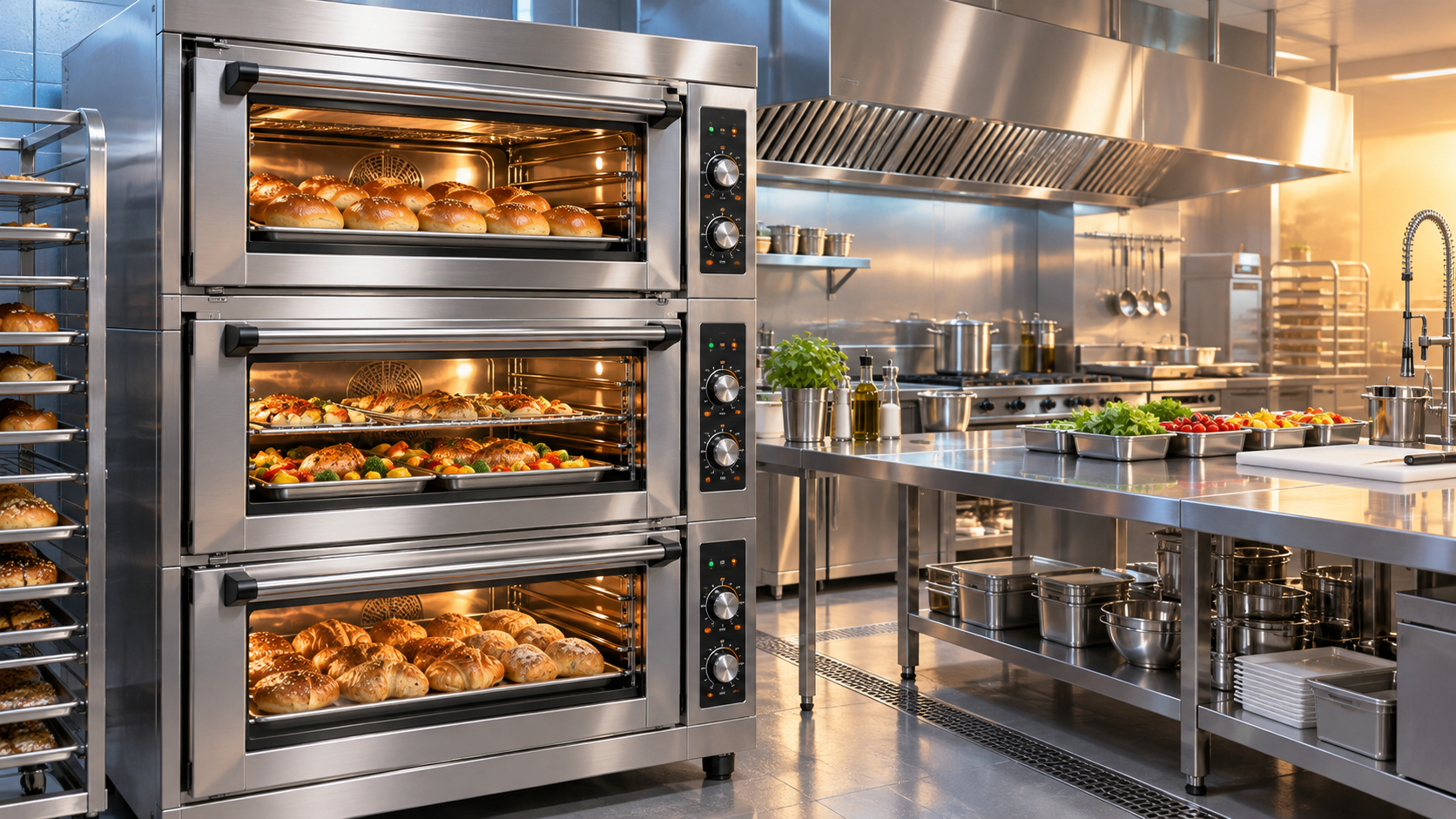
 How to Size a Commercial Oven for Peak Production Without Wasting Energy
- How to Evaluate Foodservice Equipment Suppliers for Reliability, Service, and Total Cost
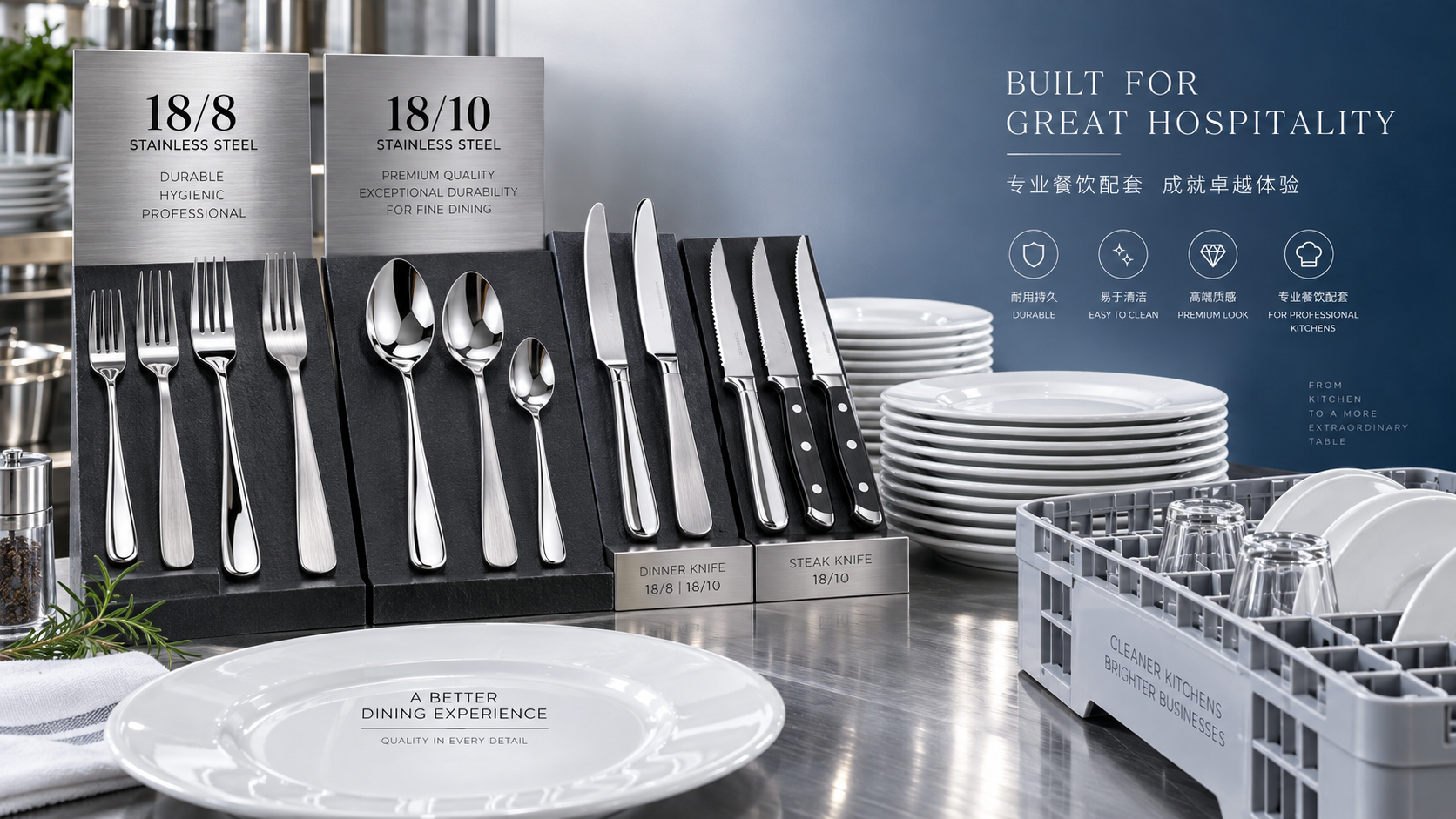
- How to Choose a Cutlery Set for Restaurants: Material, Durability, and Cost
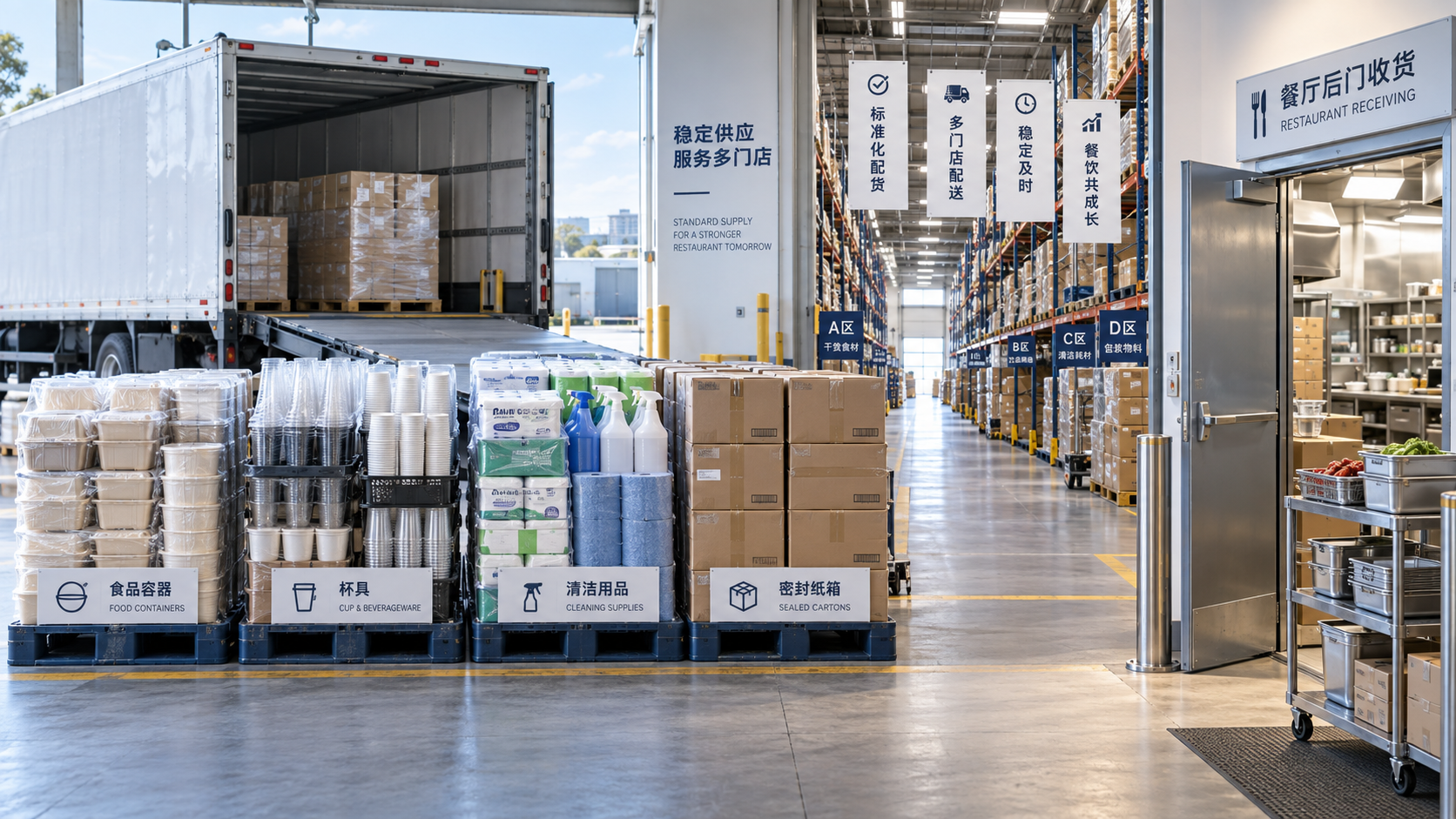
- How to Evaluate Restaurant Supplies Distributors for Reliable Multi-Location Delivery

Contact With us
Contact:
Anne Yin (Ceramics Dinnerware/Glassware)
Lucky Zhai(Flatware)