
How to plan restaurant kitchen equipment without waste
Effective restaurant kitchen equipment planning is essential for business decision-makers who want to control costs, improve workflow, and avoid unnecessary waste. In a market shaped by automation, energy efficiency, and food safety demands, choosing the right equipment layout and capacity can directly impact daily operations and long-term profitability. This article explores how to plan smarter kitchen systems that support performance, sustainability, and growth.
Why restaurant kitchen equipment planning fails in many projects
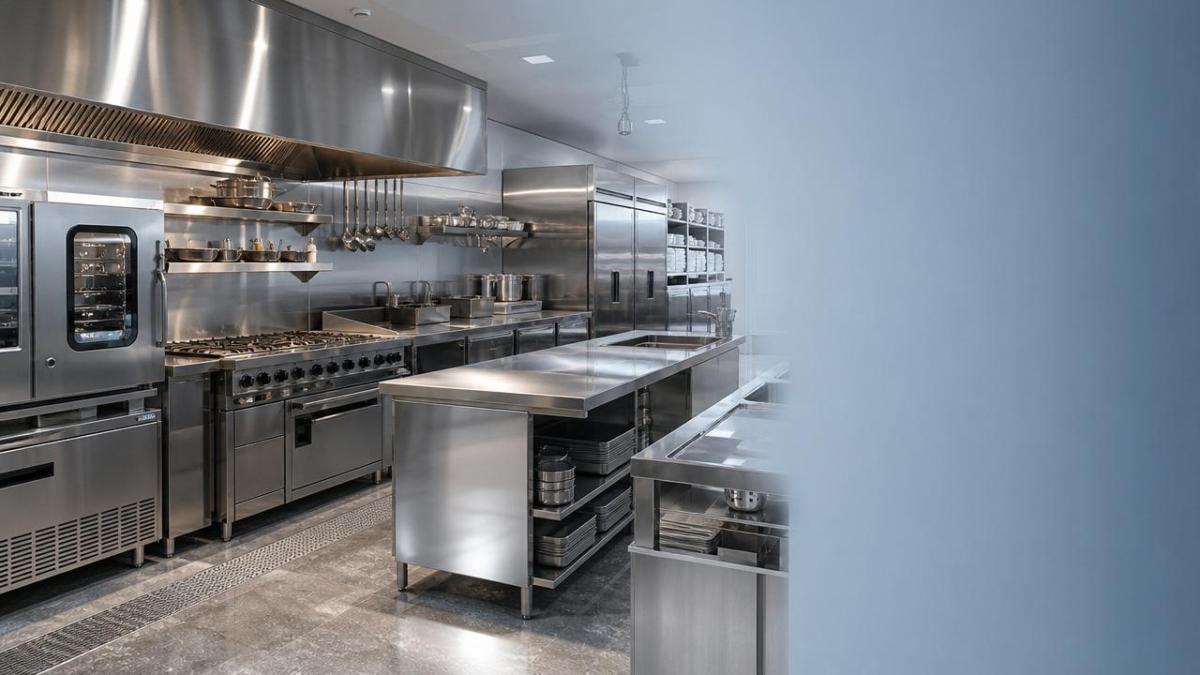
Many operators do not lose money because they buy poor machines. They lose money because restaurant kitchen equipment planning starts too late, relies on guesswork, or focuses only on purchase price. The result is overcapacity in one zone, bottlenecks in another, and unused equipment taking up valuable floor space.
For decision-makers in restaurants, hotels, central kitchens, and foodservice groups, waste usually appears in five forms: excess capital expenditure, inefficient movement, high utility consumption, compliance risk, and limited expansion flexibility. Each one can reduce margins long after the kitchen is installed.
- Buying equipment based on menu ambition rather than actual peak-hour production volume.
- Duplicating functions across cooking lines, prep stations, and cold storage without a throughput reason.
- Ignoring ventilation, drainage, power load, gas supply, and cleaning access during early planning.
- Selecting oversized units that raise energy bills and idle most of the day.
- Failing to connect equipment choices with labor strategy, food safety workflow, and future menu changes.
Good restaurant kitchen equipment planning is therefore not just procurement. It is an operational design exercise that links menu, volume, labor, utilities, hygiene, and return on investment into one practical system.
How to define the right equipment scope before requesting quotations
Before comparing brands or layouts, decision-makers should define what the kitchen must produce, when it must produce it, and under what constraints. This step prevents the common mistake of asking suppliers for prices before internal requirements are clear.
Start with production reality, not catalog options
A practical equipment brief should translate business targets into measurable kitchen needs. If a site serves 300 lunches in a 90-minute window, equipment selection must support that peak, not an all-day average. The same logic applies to banquet kitchens, delivery kitchens, bakery lines, and mixed-format hospitality operations.
- List core menu categories such as frying, steaming, baking, chilling, holding, washing, and prep.
- Estimate peak output by hour, not only by day, including seasonal spikes and event demand.
- Map staffing levels by shift to understand whether automation or multifunction units will reduce labor pressure.
- Review utility conditions such as three-phase power, gas availability, water quality, drainage, and exhaust limits.
- Define compliance priorities for food contact materials, hygiene design, workplace safety, and local installation codes.
Key planning inputs for a waste-free kitchen
The table below helps structure restaurant kitchen equipment planning around operational variables instead of assumptions. It is especially useful when multiple stakeholders are involved in procurement, finance, and operations.
When these inputs are documented early, quotation requests become more accurate, supplier comparisons become fairer, and the risk of purchasing unnecessary units drops significantly.
Which kitchen zones need the closest planning attention?
The most effective restaurant kitchen equipment planning divides the kitchen into process zones. This approach helps identify where waste happens: not only in equipment count, but also in movement, handoff delays, and sanitation gaps.
Critical zones to evaluate
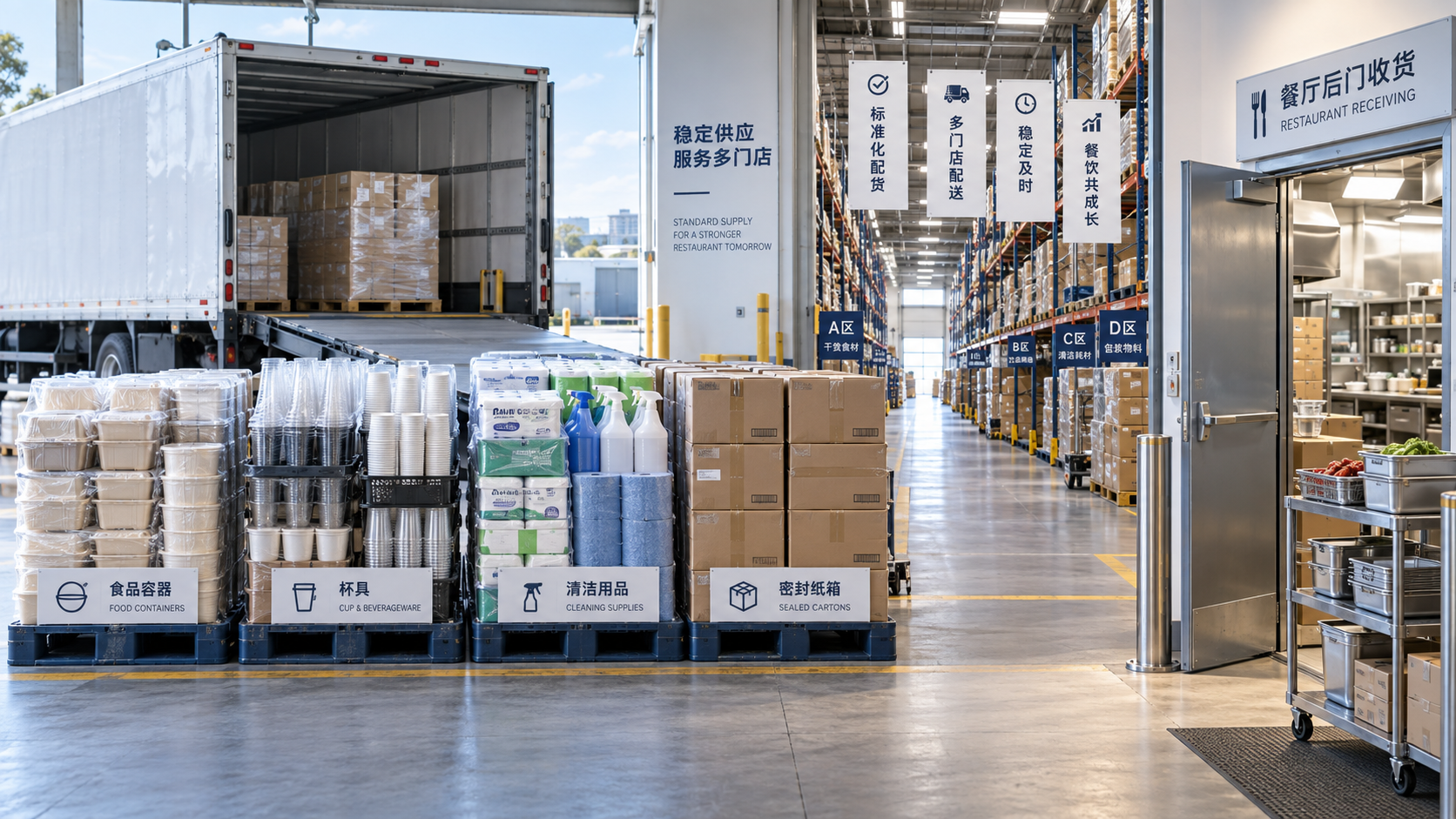
- Receiving and storage: Cold rooms, freezers, shelving, and ingredient staging should match delivery frequency and stock policy. Overstocking often drives both food waste and oversized storage investment.
- Preparation: Prep tables, sinks, vegetable processing tools, mixers, and slicing equipment should support actual pre-processing volume. Underplanning here can overload the hot line later.
- Cooking: Ranges, ovens, fryers, steamers, griddles, and multifunction cooking units must align with service speed, menu mix, and operator skill level.
- Holding and pass: Heated holding, cold display, and plating stations reduce service disruption. These are often neglected, even though they protect consistency during peak periods.
- Warewashing: Dishwashers, pre-rinse systems, and drying or sorting areas require careful throughput matching. An undersized wash area can halt the whole operation.
For hotels and central kitchens, zoning also improves food safety separation between raw and cooked products, allergen-sensitive processes, and cleaning routes. That is why integrated kitchen system planning is increasingly preferred over isolated equipment purchasing.
How to compare equipment options without focusing only on price
A lower purchase price can become the higher total cost when maintenance, utilities, labor demand, and downtime are considered. Restaurant kitchen equipment planning should therefore compare equipment types by lifecycle value, not only invoice amount.
The comparison below shows how different planning choices can affect cost control and operational flexibility. It is useful for investors, procurement teams, and operations directors who need a balanced selection method.
In many projects, the best answer is a mixed strategy. Keep dedicated units where throughput is predictable and high. Use multifunction or intelligent equipment where space, staffing, or menu variation create planning pressure.
What technical and compliance factors should decision-makers check?
Technical evaluation is a core part of restaurant kitchen equipment planning because poor specification control often leads to hidden installation costs, service disruption, or regulatory issues after delivery. Decision-makers should ask for measurable data instead of generic claims.
Priority checkpoints during specification review
- Power rating, gas consumption, or steam requirements, matched with local utility capacity.
- Recovery time, batch output, temperature range, and holding stability for actual menu production.
- Construction materials and cleanability, especially stainless steel surfaces and hygienic joint design.
- Service access for maintenance parts, filters, drains, heating elements, and controls.
- Compatibility with ventilation, fire safety, and local workplace requirements.
Compliance matters beyond the machine itself
Depending on the market, buyers may need to confirm electrical safety conformity, food contact suitability, sanitation design, and import documentation. Even when a product is technically suitable, project delays can occur if paperwork, test reports, or installation responsibilities are unclear.
For international sourcing, especially from major manufacturing countries such as China, Germany, Italy, and Japan, it is wise to confirm specification consistency, spare parts availability, and after-sales response before final approval. This is especially important for automated or digital kitchen systems.
How to reduce waste through phased procurement and smarter budgeting
Not every kitchen needs full-scale investment on day one. One of the most effective restaurant kitchen equipment planning strategies is phased procurement. This means prioritizing essential production capacity first, then adding secondary equipment when demand becomes measurable.
Budget decisions that usually improve ROI
- Invest first in bottleneck equipment such as cooking, refrigeration, or warewashing systems that directly limit service capacity.
- Choose expandable layouts that allow later integration of prep automation, monitoring systems, or additional holding capacity.
- Review energy-efficient models where operating hours are long enough to justify the premium over time.
- Avoid buying backup units unless downtime risk, service distance, or production criticality clearly support that cost.
For multi-unit restaurant groups, standardizing selected equipment across sites can also reduce training time, spare parts complexity, and procurement inconsistency. This is where digital kitchen management and connected equipment can offer long-term value beyond simple output metrics.
Common mistakes in restaurant kitchen equipment planning
Most planning mistakes are avoidable. They happen when one decision variable dominates all others, especially when speed, cost, or aesthetics override process logic.
Frequent errors to watch for
- Designing the kitchen before validating menu engineering and portion volume assumptions.
- Ignoring service and cleaning clearances, which makes daily operations slower and maintenance harder.
- Selecting equipment with attractive features that do not match the staff’s training level or workflow.
- Overlooking integration between refrigeration, prep flow, cooking sequence, and final pass timing.
- Assuming that future growth automatically requires larger machines instead of better line balance or smarter scheduling.
A disciplined planning process prevents these errors by using real production data, cross-functional review, and clear supplier communication. That is especially relevant in fast-growing markets where timelines are tight and rework is expensive.
FAQ about restaurant kitchen equipment planning
How do I know if my kitchen equipment is oversized?
Check peak-hour demand against actual equipment utilization. If major units run far below their production capacity most of the week, or if storage stays half empty while energy use remains high, the setup may be oversized. Review service logs, menu mix, and labor use together before replacing or adding equipment.
Is multifunction equipment always better for waste reduction?
Not always. Multifunction equipment works well in compact kitchens, variable menus, and labor-constrained operations. However, in high-volume kitchens with stable output, dedicated equipment can still provide better throughput and simpler service routines. The right choice depends on volume stability, menu diversity, and operator skill.
What should be included in a supplier discussion?
Bring your menu categories, peak production targets, utility conditions, floor plan limits, and compliance needs. Ask about output data, installation requirements, service access, lead time, spare parts, and available customization. This makes restaurant kitchen equipment planning more accurate and reduces change orders later.
How long should planning take before ordering equipment?
Timing depends on project size, but even small sites benefit from a structured review phase. Rushing directly into quotations often creates design conflicts after purchase. A short but disciplined planning cycle is usually more cost-effective than fast procurement followed by layout corrections or utility upgrades.
Why choosing the right planning partner matters
The kitchen equipment industry is moving toward automation, intelligence, and energy efficiency. For buyers, that means equipment selection is no longer only about a single machine. It is about how commercial kitchen equipment, food processing tools, digital controls, and utility conditions work together as one system.
If you are reviewing restaurant kitchen equipment planning for a new build, renovation, hotel project, central kitchen, or chain expansion, contact us to discuss the details that affect cost and performance. We can support parameter confirmation, equipment selection logic, layout coordination, delivery timing, customization options, certification-related questions, sample evaluation, and quotation communication based on your actual operating scenario.
A focused planning conversation early in the project can help you avoid redundant purchases, reduce installation risk, and build a kitchen system that performs efficiently today while staying flexible for future growth.
Popular Tags
Kitchen Industry Research Team
Dedicated to analyzing emerging trends and technological shifts in the global hospitality and foodservice infrastructure sector.
Industry Insights
Join 15,000+ industry professionals. Get the latest market trends and tech news delivered weekly.
No spam. Unsubscribe anytime.
Hot Articles
 How to Size a Commercial Oven for Peak Production Without Wasting Energy
- How to Evaluate Foodservice Equipment Suppliers for Reliability, Service, and Total Cost
- How to Choose a Cutlery Set for Restaurants: Material, Durability, and Cost
- How to Evaluate Restaurant Supplies Distributors for Reliable Multi-Location Delivery
Contact With us
Contact:
Anne Yin (Ceramics Dinnerware/Glassware)
Lucky Zhai(Flatware)