Glass Beverage Dispenser Buying Guide: Capacity, Lid, and Spigot Options
Choosing the right glass beverage dispenser is essential for procurement teams seeking durable, hygienic, and presentation-ready drink service solutions for restaurants, hotels, catering operations, and commercial kitchens.
From capacity planning to lid materials and spigot performance, each specification affects usability, maintenance, and long-term value across daily service and guest-facing environments.
This buying guide highlights the key factors buyers should evaluate to select a dispenser that supports efficient beverage service and reduces replacement costs.
Start With the Service Scenario, Not Only the Product Size
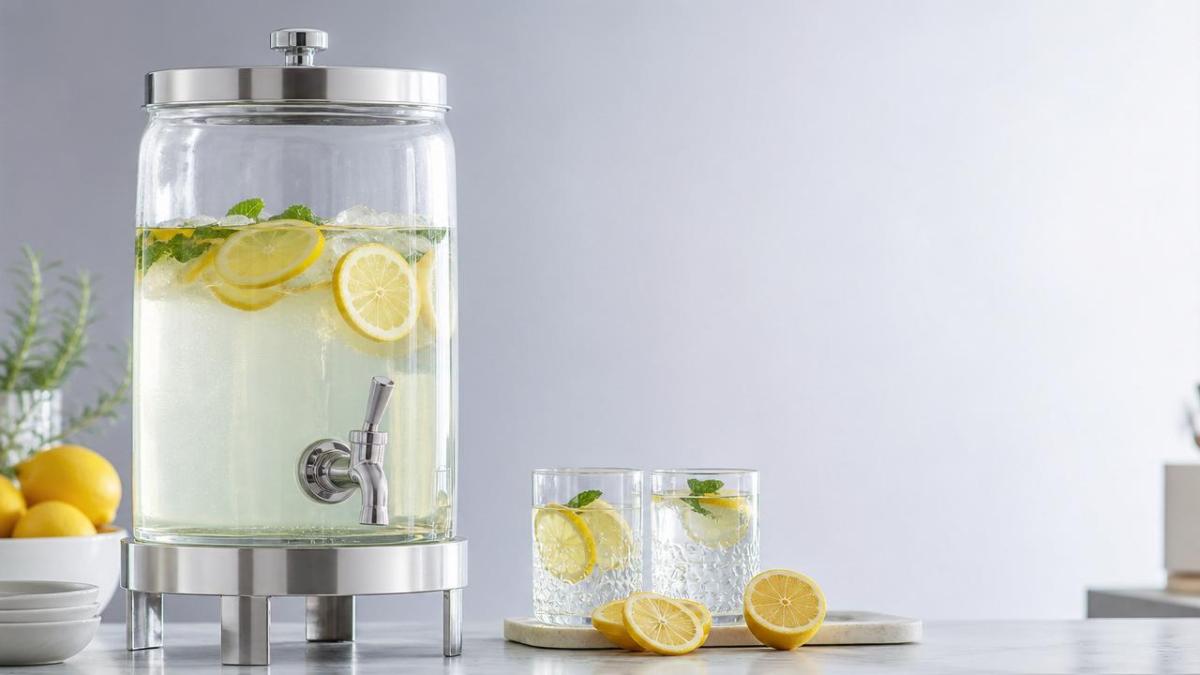
For procurement teams, the best glass beverage dispenser is not simply the largest or most decorative option available in the supplier catalog.
The right choice depends on where it will be used, how often it will be refilled, and who will operate it during service.
A hotel breakfast buffet, outdoor catering station, café counter, and meeting room refreshment area all require different performance priorities.
High-traffic locations need stable bases, reliable spigots, and practical refill access more than purely decorative shapes or oversized silhouettes.
For low-volume hospitality use, visual presentation and compact storage may matter more than maximum capacity or heavy-duty component construction.
Before comparing prices, buyers should define beverage type, average guest count, service duration, staff availability, and cleaning workflow.
This approach prevents common purchasing mistakes, such as buying attractive dispensers that leak, clog, break easily, or slow down service.
How Much Capacity Should a Glass Beverage Dispenser Have?
Capacity is usually the first specification buyers compare, but it should be evaluated against refill frequency and beverage freshness.
A dispenser that is too small increases labor demand, while an oversized unit may leave beverages sitting too long during quiet periods.
For small cafés, office pantries, and boutique hospitality settings, one to two gallons is often practical and easy to handle.
For hotel buffets, restaurants, banquet halls, and catering operations, two to three gallons usually provides a better balance between volume and manageability.
Very large dispensers can reduce refills, but they become heavier, harder to clean, and more vulnerable to accidental impact.
Procurement teams should also consider whether staff will move filled dispensers or refill them in place using pitchers.
If the unit must be carried frequently, weight and grip design become as important as the listed liquid capacity.
For events serving multiple beverages, several medium-capacity dispensers may outperform one oversized unit by improving layout flexibility and guest flow.
Glass Thickness, Shape, and Stability Affect Real Durability
Glass gives beverage service a clean, premium, and transparent appearance, but not all glass dispensers perform equally in commercial environments.
Buyers should check wall thickness, base design, rim finish, and whether the dispenser feels stable when partially filled.
A thick jar may appear durable, yet poor weight distribution can still make it unstable on buffet tables or beverage stations.
Wide bases are usually safer for self-service areas because guests may operate the spigot with uneven pressure or limited attention.
Tall narrow dispensers can look elegant, but they may require stands and careful placement to reduce tipping risk.
For commercial purchasing, durability should be assessed as a system, including glass body, lid, stand, spigot, gasket, and packaging protection.
If units are shipped internationally or stored in bulk, reinforced packaging and spare part availability can significantly reduce procurement risk.
Lid Options: Hygiene, Access, and Presentation
The lid is more than a decorative cover; it protects beverages, supports hygiene, and affects how quickly staff can refill the dispenser.
Common lid materials include stainless steel, glass, wood, bamboo, plastic, and metal-coated alternatives, each with different strengths and limitations.
Stainless steel lids are suitable for professional environments because they are durable, easy to clean, and visually compatible with commercial equipment.
Glass lids offer a unified appearance but may increase breakage risk, especially in busy buffet or event service conditions.
Wood and bamboo lids create a natural presentation, but buyers must consider moisture resistance, odor retention, and cleaning limitations.
Plastic lids are lightweight and economical, although they may look less premium and can become cloudy or scratched over time.
For procurement teams serving hotels or restaurants, the best lid often balances hygiene, appearance, replacement cost, and cleaning simplicity.
A removable lid should fit securely without making refilling difficult, especially when staff must work quickly during peak service.
Spigot Quality Is the Most Important Functional Detail
The spigot is often the component that determines whether a glass beverage dispenser feels professional or problematic in daily use.
A weak spigot can leak, drip, clog with fruit pulp, or become difficult for guests to operate smoothly.
Plastic spigots are affordable and lightweight, making them suitable for occasional use, seasonal promotions, or low-cost household applications.
However, commercial buyers usually benefit from stainless steel or food-grade metal spigots because they offer better durability and appearance.
When evaluating spigots, buyers should check flow rate, handle feel, seal quality, thread compatibility, and gasket reliability.
A slow spigot creates queues in self-service areas, while an overly fast flow can cause splashing and beverage waste.
For infused water, lemonade, tea, sangria, or fruit beverages, a wider spigot opening may reduce blockage and improve guest experience.
Procurement teams should also ask whether replacement spigots and silicone washers are available separately from the dispenser body.
Stand Design and Serving Height Should Not Be Ignored
Many glass beverage dispensers require enough clearance under the spigot for cups, glasses, or refillable bottles.
A stand solves this problem, but its strength and stability must match the filled weight of the dispenser.
Metal stands are common for commercial use because they provide better load support and a clean presentation.
Wooden stands can enhance rustic or premium styling, but they may need more careful cleaning and moisture control.
Buyers should verify the spigot height with the intended drinkware, especially for hotels using tall tumblers or banquet glassware.
A dispenser that looks attractive but requires guests to tilt cups awkwardly can quickly reduce service quality.
For buffet lines, stable stands and anti-slip feet are particularly important because guests may operate the dispenser from different angles.
Food Safety and Cleaning Requirements for Commercial Buyers
Food safety is a key procurement concern, especially when dispensers are used for public self-service or repeated daily operation.
Buyers should confirm that glass, gaskets, lids, and spigots are made from food-contact-safe materials suitable for beverage service.
Wide-mouth designs are easier to clean because staff can reach internal surfaces and remove residue after sugary or acidic drinks.
Narrow openings may look elegant, but they often require special brushes and increase the risk of incomplete cleaning.
Dishwasher compatibility should be verified carefully, as some glass bodies, lids, or spigot parts may require hand washing.
For commercial kitchens, easy disassembly is valuable because spigot interiors and silicone seals need regular cleaning and inspection.
If beverage dispensers are used for citrus drinks, buyers should confirm that metal parts resist corrosion and discoloration.
Clear cleaning instructions from suppliers help reduce staff errors, extend product life, and support consistent hygiene standards.
Matching Dispenser Design With Brand and Guest Experience
A glass beverage dispenser is functional equipment, but it also contributes directly to front-of-house presentation and brand perception.
Luxury hotels may prefer clean lines, stainless accents, and coordinated buffet displays that match existing service equipment.
Catering companies may prioritize versatile designs that work across weddings, corporate events, outdoor receptions, and casual gatherings.
Restaurants and cafés may choose compact dispensers that present lemonade, iced tea, infused water, or seasonal beverages attractively.
The dispenser should fit the surrounding equipment, table layout, signage, cup placement, and overall beverage station workflow.
Procurement teams should avoid styles that look distinctive but are difficult to replace consistently across multiple locations.
Standardized designs are often better for chain operations because they simplify replenishment, training, spare parts, and visual consistency.
Cost Evaluation: Look Beyond the Unit Price
For purchasing teams, a low unit price does not always mean a lower total cost of ownership.
Breakage, leaking spigots, missing spare parts, difficult cleaning, and poor packaging can quickly increase actual operating costs.
A more expensive glass beverage dispenser may deliver better value if it lasts longer and reduces service interruptions.
Buyers should compare warranty terms, minimum order quantities, replacement component availability, carton strength, and supplier quality control processes.
If the dispenser will be used in high-volume foodservice, investing in stronger materials and better spigots is usually justified.
For occasional event use, a simpler model may be acceptable if it still meets safety and presentation expectations.
Procurement decisions should combine purchase price, expected service life, maintenance effort, breakage probability, and brand presentation value.
Supplier Questions Procurement Teams Should Ask
Before placing an order, buyers should request detailed specifications rather than relying only on product photos or short descriptions.
Important questions include glass thickness, full capacity, usable capacity, lid material, spigot material, gasket type, and stand load rating.
Buyers should also ask whether the dispenser is suitable for hot liquids, carbonated beverages, acidic drinks, or fruit-infused beverages.
Not every glass beverage dispenser is designed for heat, pressure, or ingredients that may clog narrow outlets.
For bulk procurement, sample testing is highly recommended before confirming a large order or long-term supply agreement.
During sample review, teams should test filling, pouring, cleaning, lid fit, spigot leakage, packaging protection, and visual consistency.
Suppliers that provide clear documentation, responsive communication, and spare part support usually reduce long-term purchasing uncertainty.
Common Buying Mistakes to Avoid
One common mistake is selecting capacity based only on guest count without considering beverage freshness and staff refill patterns.
Another mistake is overlooking the spigot, even though it is the part most likely to affect daily satisfaction.
Some buyers choose decorative lids or stands that look good initially but perform poorly after repeated commercial cleaning.
Others fail to verify packaging quality, causing avoidable breakage during warehousing, transportation, or cross-border shipping.
Procurement teams should also avoid mixing too many dispenser styles, because inconsistency complicates replacement and display planning.
A disciplined specification checklist helps prevent these issues and supports better comparison between competing suppliers and models.
Final Checklist for Selecting the Right Glass Beverage Dispenser
The most suitable dispenser should match the actual service environment, not just the appearance preferences of the purchasing team.
Start by defining the beverage type, expected service volume, display location, cleaning process, and storage conditions.
Then compare capacity, glass stability, lid material, spigot quality, stand height, food safety, and replacement part availability.
For restaurants and hotels, choose models that combine strong presentation with reliable daily performance and easy maintenance.
For catering and event operations, prioritize transport durability, flexible styling, quick setup, and dependable spigot performance.
For centralized procurement, standardization can improve control over costs, training, inventory, and guest-facing consistency.
Conclusion: Choose for Service Performance, Not Just Display
A glass beverage dispenser can improve beverage presentation, guest convenience, and operational efficiency when selected with the right criteria.
Capacity, lid design, and spigot quality are the three most important areas buyers should evaluate before purchase.
Durability, cleaning requirements, stand stability, packaging, and spare parts should also influence commercial procurement decisions.
By focusing on real service conditions and total ownership value, buyers can select dispensers that perform reliably and look professional.
The best choice is a dispenser that supports smooth operation, safe beverage service, attractive presentation, and long-term purchasing confidence.