
Thailand 2026 Industrial Show Highlights Smart Kitchen Equipment
On June 17, 2026, the Thailand International Industrial Manufacturing Exhibition in Bangkok drew industry attention by adding a dedicated Smart Kitchen Solutions zone for the first time. The development is worth watching not only because more than 120 Chinese kitchen equipment companies participated, but also because the event produced intended orders worth US$210 million, mainly from importers in Vietnam, Indonesia, and the Philippines. For manufacturers, distributors, buyers, and supply chain service providers, the event offers a timely signal about where commercial kitchen demand is concentrating and which product categories are drawing cross-border purchasing interest.
What was confirmed at the Bangkok exhibition
According to the information provided, the exhibition was held from June 17 to 20 at the IMPACT Exhibition Center in Bangkok. A Smart Kitchen Solutions section was introduced for the first time at the show, focusing attention on smart kitchen equipment within the broader industrial manufacturing event.
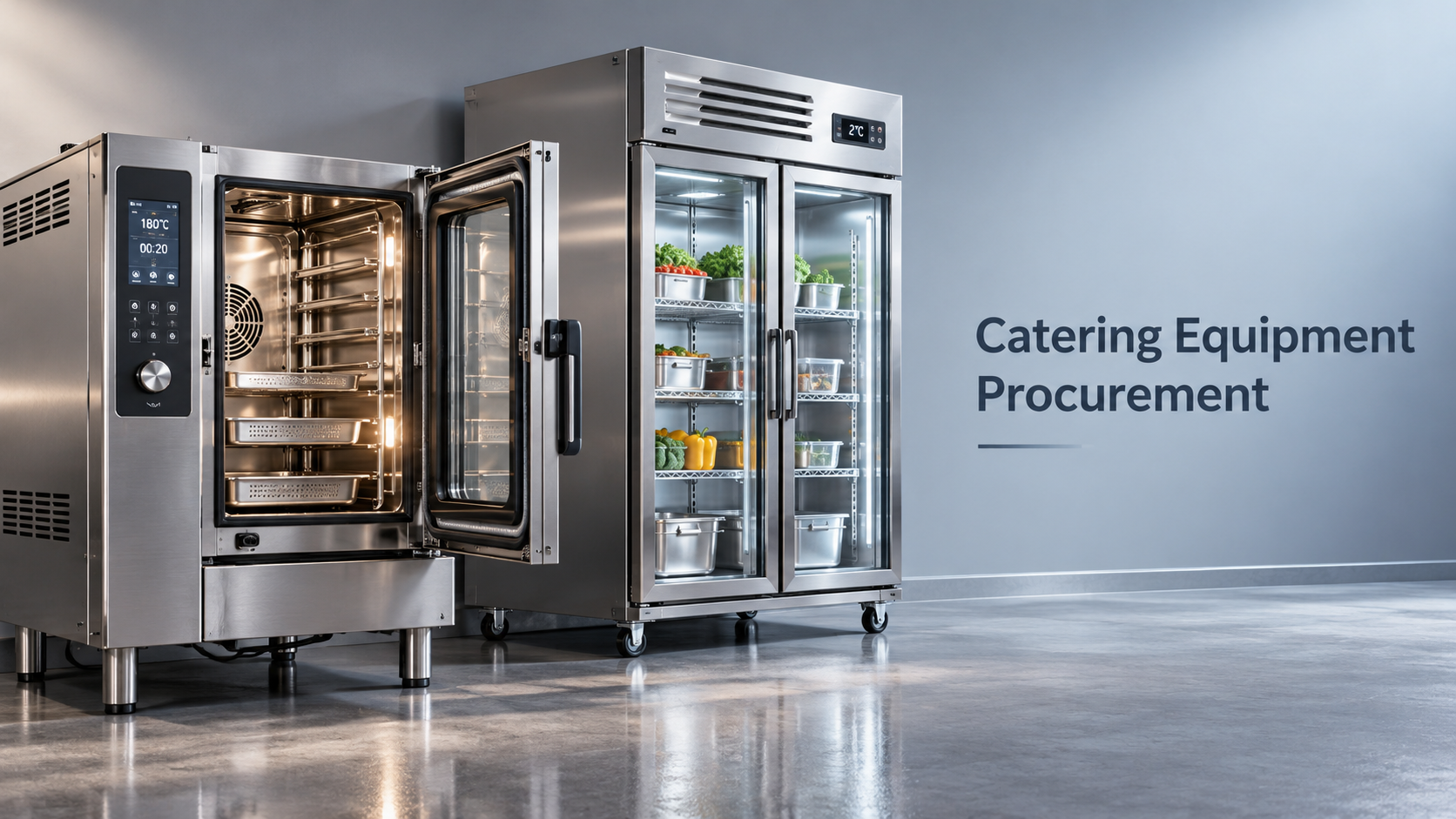
More than 120 Chinese kitchen equipment companies participated in this section. The product coverage included commercial combi steam ovens, AI cooking systems, and energy-saving commercial dishwashers.
During the exhibition, the Chinese delegation reached intended orders totaling US$210 million. The main buyers behind these intentions were importers from Vietnam, Indonesia, and the Philippines. The signed amount for the Chinese delegation increased 37% year on year, as stated in the event title provided.
Why different market participants may pay attention
Export-oriented equipment makers are seeing clearer demand signals
From an industry perspective, this event is relevant to manufacturing companies because the intended orders were concentrated around identifiable product categories rather than general exhibition traffic alone. For exporters of commercial kitchen equipment, the business impact may show up first in product planning, quotation priorities, and follow-up with Southeast Asian buyers.
What deserves closer attention is whether buyer interest continues to center on equipment that combines automation, cooking consistency, and energy-saving features. That matters for companies deciding how to allocate sales resources after the exhibition.
Importers and channel partners may reassess category mix
For importers, distributors, and channel operators in Southeast Asia, the first-time creation of a dedicated smart kitchen area suggests that smart kitchen equipment is being presented as a more defined purchasing segment. The immediate business relevance is likely to be in assortment decisions, supplier screening, and order follow-up by category.
Analysis shows that the named product groups in the exhibition summary give channel partners a practical reference point: commercial combi steam ovens, AI cooking systems, and energy-saving commercial dishwashers appear to be categories receiving direct exposure in regional trade conversations.
Supply chain and delivery teams may need earlier coordination
For supply chain service providers and operational teams, intended orders at exhibition level do not automatically translate into completed shipments, but they do point to possible pressure points in later stages. Those pressure points may include documentation, delivery scheduling, product specifications, and communication between exporters and overseas buyers.
Observably, when orders are driven by multiple Southeast Asian markets at once, execution teams may need to pay closer attention to how follow-up demand is sequenced across countries rather than treating the region as a single uniform market.
What companies should watch after the exhibition
Track how intended orders convert into executable business
The most practical issue is not only the headline order value, but how much of that intended business moves into confirmed transactions, production arrangements, and delivery commitments. Companies involved in follow-up negotiations should separate exhibition momentum from actual execution progress.
Focus on the product categories already drawing attention
The exhibition summary points to three visible areas: commercial combi steam ovens, AI cooking systems, and energy-saving commercial dishwashers. For companies already operating in these segments, the priority is to assess whether inquiries are becoming more specific around application needs, configuration, or procurement timing.
Prepare buyer-facing materials for cross-border follow-up
Because the intended orders mainly came from importers in Vietnam, Indonesia, and the Philippines, exporters and service teams should pay attention to practical follow-up materials, including product documentation, communication records, and fulfillment timelines. The event itself confirms buyer interest, but later conversion will depend on how clearly suppliers support the next step in the transaction process.
Watch whether the dedicated smart kitchen format continues
Analysis shows that the first-time launch of a Smart Kitchen Solutions zone is itself a point worth monitoring. If this format continues to receive concentrated participation and buyer response, it may become a more stable indicator of how kitchen equipment is being positioned within regional industrial exhibitions.
How this news is best understood at this stage
Observably, this development should not be read only as a short-term exhibition result. It also suggests that smart commercial kitchen equipment is gaining more explicit visibility in regional trade settings. At the same time, the currently confirmed information is still centered on participation, category exposure, and intended orders rather than completed market outcomes.
It is more appropriate to understand this as a meaningful industry signal with practical business relevance, rather than as a final conclusion about long-term market direction. The key reason is that the strongest confirmed facts relate to exhibition structure, buyer origin, and initial order intention.
A measured takeaway for the kitchen equipment trade
For the kitchen equipment industry, the most notable point is the combination of two signals in one event: a first-time smart kitchen exhibition zone and a year-on-year rise of 37% in the Chinese delegation’s signed amount. Together, they indicate active buyer interest around smart and energy-related commercial kitchen categories in Southeast Asian trade exchanges.
Still, a neutral reading is more appropriate than an overstated one. At present, this news is best understood as a clear market-facing signal for manufacturers, exporters, distributors, and procurement teams to monitor closely, while keeping attention on post-exhibition conversion, execution, and category-specific demand follow-up.
Basis of this report and what still needs verification
This article is generated based on the user-provided news title, event date, and event summary. In reporting on developments of this kind, commonly relevant source types may include official exhibition announcements, company statements, industry association updates, authoritative media coverage, and standard-setting or trade-related documents.
No specific official source link was provided in the input, so the underlying details still require continued verification through subsequent disclosures or formal publications. Follow-up observation should focus on whether intended orders turn into confirmed business, whether the Smart Kitchen Solutions format is repeated, and whether the same product categories continue to attract buyer interest in later industry events.
Popular Tags
Kitchen Industry Research Team
Dedicated to analyzing emerging trends and technological shifts in the global hospitality and foodservice infrastructure sector.
Industry Insights
Join 15,000+ industry professionals. Get the latest market trends and tech news delivered weekly.
No spam. Unsubscribe anytime.

Contact With us
Contact:
Anne Yin (Ceramics Dinnerware/Glassware)
Lucky Zhai(Flatware)