
CPSC Sets New U.S. Kitchen Appliance Safety Rule
On July 22, 2026, the U.S. Consumer Product Safety Commission (CPSC) issued a final rule under 16 CFR Part 1245 that adds mandatory requirements for electrical safety, overheat protection, and child lock functions for commercial and household kitchen appliances. With enforcement set for October 1, 2026, the update deserves close attention from exporters, importers, manufacturers, compliance teams, and procurement functions tied to products entering the U.S. market, because it affects certification paths, testing timelines, documentation review, and market access conditions.
What the Rule Now Requires
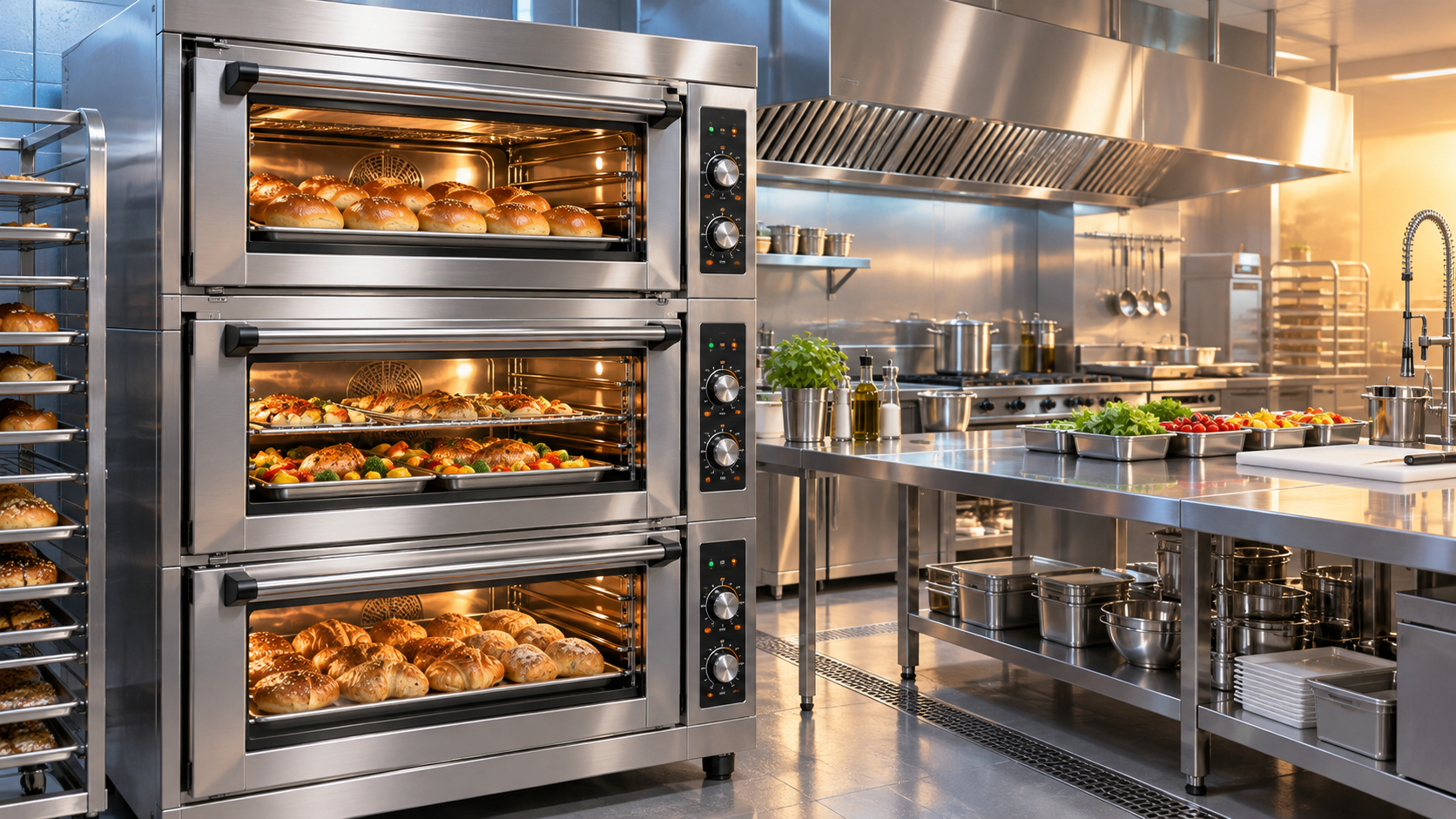
According to the provided information, the final rule released by the CPSC on July 22, 2026 applies to commercial and household kitchen appliances, including induction cookers, commercial electric ovens, and automatic dishwashers. The rule introduces mandatory requirements covering electrical safety, overheat protection, and child lock functions.
The new rule will take effect on October 1, 2026. Products covered by the rule that enter the U.S. market must pass certification under the updated versions of UL 858 and UL 962A. The provided information also states that the change directly affects compliance routes, testing cycles, and certification costs for Chinese exporters, while importers need to re-examine supplier qualifications and product documentation.
Where the Pressure Will Be Felt First
Export-side compliance will become more time-sensitive
From an industry perspective, direct trade companies shipping covered kitchen appliances to the United States are likely to feel the impact first because U.S. market entry is now tied to updated certification requirements. The main pressure points are likely to appear in product qualification planning, certification scheduling, and document readiness for shipments intended for the U.S. market.
Manufacturing teams may need closer coordination with testing and certification work
Analysis shows that manufacturers of affected appliance categories may face practical pressure in the handoff between product design, safety verification, and external certification. The issue is not only whether a product is in scope, but whether the product file, test preparation, and compliance evidence align with the new rule and the updated UL 858 or UL 962A requirements referenced in the provided information.
Importers will need tighter supplier and document screening
For U.S.-facing importers and sourcing teams, the reported need to reassess supplier qualifications and product documentation suggests a more active gatekeeping role. The impact is likely to show up in supplier onboarding, document review, pre-shipment checks, and internal approval steps tied to regulated appliance categories.
Supply chain service providers may face timing and coordination risk
Observably, service providers involved in certification support, export coordination, and delivery planning may also be affected because testing cycles and certification costs are expected to shift. Their main area of attention is likely to be scheduling alignment among factories, testing bodies, and import-side buyers where October 1, 2026 becomes a hard timing reference.
What Companies Should Watch Now
Clarify which products fall within the rule's scope
Companies dealing with induction cookers, commercial electric ovens, automatic dishwashers, and related kitchen appliance lines should first confirm whether each export model or procurement item falls within the scope described in the rule summary. This is a practical starting point for deciding whether existing approval paths remain usable or whether new certification work is required.
Review certification timing against the October 2026 deadline
What deserves closer attention is the short interval between the July 22, 2026 release date and the October 1, 2026 effective date. For affected products, businesses should pay attention to whether planned shipments, launches, or supply commitments depend on certification under the updated UL 858 or UL 962A framework referenced in the provided information.
Recheck supplier qualifications and product files
For importers and sourcing teams, the supplied information points directly to supplier qualification and product document review. In practice, this means paying attention to whether supplier credentials, technical files, and certification-related documents are complete, current, and aligned with the revised U.S. entry requirements described in the update.
Separate regulatory text from operational execution
Analysis shows that one immediate task for affected companies is to distinguish the existence of a final rule from the practical work needed to meet it. The rule sets the compliance direction, but the business impact will depend on how quickly companies can align testing arrangements, internal review steps, and customer communication with the October 1, 2026 enforcement date.
How This Update Is Best Understood
As an editorial observation, this development is better understood as an immediate compliance event with longer-term signaling value. It is immediate because a final rule has been issued with a defined effective date and with explicit certification implications for products entering the U.S. market. At the same time, it also signals that safety expectations around electrical protection, overheating risk, and child lock features are becoming more central in market access for kitchen appliances.
Observably, the most relevant question for the industry is not whether the rule matters, but how broadly its operational effects will spread across sourcing, testing, certification, and trade execution. That is why the update should not be treated as a routine standards notice.
A Compliance Change With Broader Supply Chain Consequences
In summary, the July 22, 2026 CPSC rulemaking matters because it links U.S. market access for certain kitchen appliances to new mandatory safety requirements and updated certification expectations beginning October 1, 2026. For affected businesses, the immediate significance lies in compliance preparation, document control, supplier review, and timing discipline.
It is more appropriate to understand this as a near-term regulatory change that already has practical implications, while also remaining a development that warrants continued observation as companies work through testing schedules, certification costs, and supplier-side execution.
Basis of This Article
This article is based on the user-provided news title, event date, and event summary concerning the CPSC final rule under 16 CFR Part 1245, released on July 22, 2026. Relevant source types for developments of this kind typically include official regulatory notices, company disclosures, industry association updates, authoritative media reporting, and standards organization documents.
No specific official source link was provided in the input, so the exact source document link still needs to be verified on an ongoing basis. Continued monitoring should focus on any subsequent official clarifications, implementation language, and certification-related guidance connected to the updated UL 858 and UL 962A requirements referenced in the provided information.
Popular Tags
Kitchen Industry Research Team
Dedicated to analyzing emerging trends and technological shifts in the global hospitality and foodservice infrastructure sector.
Industry Insights
Join 15,000+ industry professionals. Get the latest market trends and tech news delivered weekly.
No spam. Unsubscribe anytime.
Hot Articles
 How to Size a Commercial Oven for Peak Production Without Wasting Energy
- How to Evaluate Foodservice Equipment Suppliers for Reliability, Service, and Total Cost
- How to Choose a Cutlery Set for Restaurants: Material, Durability, and Cost
- How to Evaluate Restaurant Supplies Distributors for Reliable Multi-Location Delivery


Contact With us
Contact:
Anne Yin (Ceramics Dinnerware/Glassware)
Lucky Zhai(Flatware)