
Glass Drinkware Trends Shaping Restaurant Table Settings
Glass drinkware is no longer a minor tabletop detail. It now shapes restaurant atmosphere, supports service flow, and strengthens visual identity across modern dining spaces.
As hospitality standards rise, glass drinkware trends reflect broader changes in the kitchen equipment and foodservice industry. Design, durability, sustainability, and operational fit now matter equally.
For restaurants, hotels, cafés, and central dining operations, the right glass drinkware can improve presentation, reduce replacement rates, and match smarter table setting strategies.
What are the main glass drinkware trends shaping restaurant table settings?
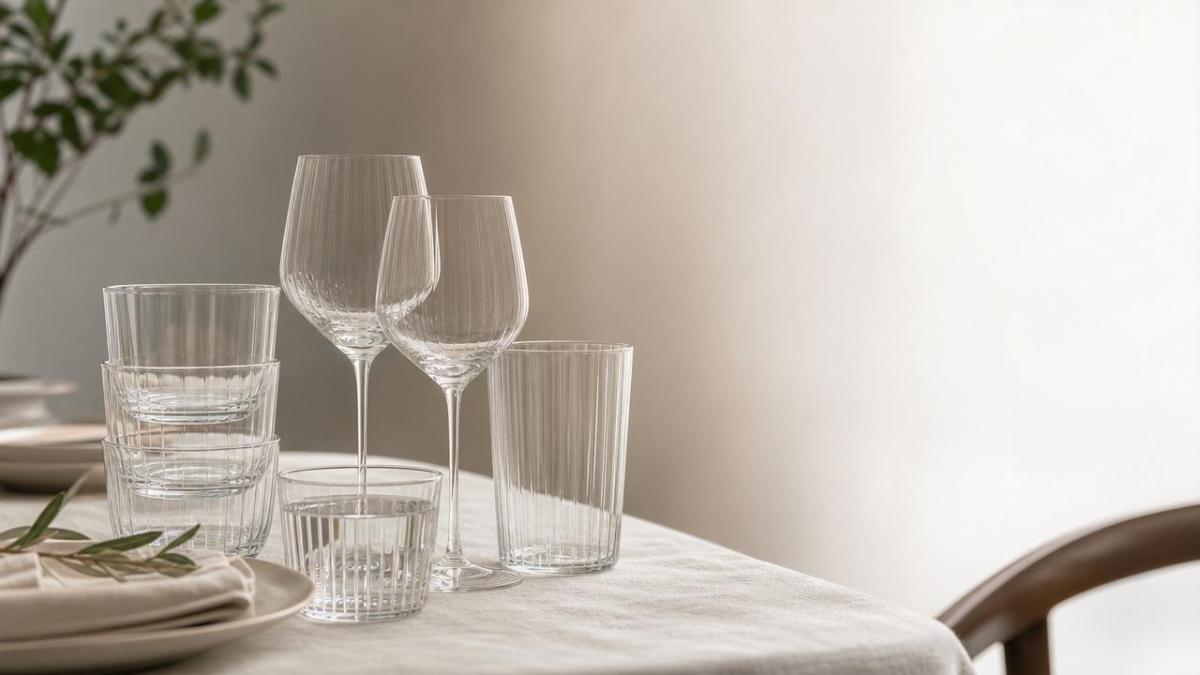
Several glass drinkware trends are influencing restaurant table settings today. The strongest shift is toward clean forms with practical performance.
Minimalist silhouettes are popular because they work across casual and premium dining concepts. Straight lines, thin profiles, and neutral transparency create a refined but flexible look.
Textured glass is also growing. Ribbed, hammered, and lightly embossed surfaces add character without overcrowding the table. These styles photograph well for social media.
Another key trend is multifunctionality. Restaurants increasingly prefer glass drinkware that handles water, juice, cocktails, and specialty beverages with fewer stock variations.
Durability has become a design expectation, not just a technical feature. Tempered or reinforced glass options align with the foodservice sector’s focus on efficiency and lower breakage.
Sustainability is shaping purchasing decisions too. Recyclable materials, longer service life, and lower replacement frequency make modern glass drinkware attractive in responsible dining operations.
- Minimalist forms for versatile table styling
- Textured finishes for visual depth
- Stackable or space-saving designs
- Durable construction for heavy turnover
- Sustainable choices with longer lifespan
Why does glass drinkware matter more in restaurant branding today?
Restaurant branding now extends beyond menus and interior design. Glass drinkware helps communicate quality before a guest takes the first sip.
The shape, weight, and clarity of glass drinkware influence perceived value. A well-chosen tumbler or stemware piece can make simple beverages feel more intentional.
Consistency is especially important. When every water glass, wine glass, and cocktail vessel follows a visual language, the table setting feels organized and premium.
In competitive hospitality markets, image travels online. Guests often share table settings through photos and short videos. Distinctive glass drinkware supports that visibility naturally.
This matters across the broader kitchen equipment ecosystem. Front-of-house presentation and back-of-house efficiency are now connected through unified operational planning.
A restaurant with elegant but impractical glassware may create service problems. Strong branding only works when design also supports storage, washing, handling, and replacement control.
How does this affect different dining formats?
Fine dining often favors lightweight, high-clarity glass drinkware with specialized forms. Casual restaurants usually prefer versatile pieces that balance appearance and resilience.
Hotels and banquet operations may prioritize standardization. Uniform glass drinkware helps large teams maintain service speed during breakfast, events, and room service cycles.
Cafés and modern bistros often adopt statement textures or colored accents. These styles help smaller venues differentiate without redesigning the whole dining space.
How should restaurants choose glass drinkware for function and style?
Choosing glass drinkware starts with use conditions, not appearance alone. The right selection should match menu structure, service pace, washing systems, and storage capacity.
First, review beverage categories. Water, wine, beer, cocktails, mocktails, and desserts may need different forms, but too many SKUs can increase complexity.
Second, consider table size. Oversized glass drinkware may look elegant, yet it can overcrowd compact table settings and reduce comfort during multi-course service.
Third, check handling strength. Busy restaurants need glass drinkware that tolerates frequent dishwashing, stacking pressure, and fast turnaround during peak periods.
Fourth, compare rim feel and weight. Comfortable drinking experience matters, but extremely delicate glass may raise breakage costs in high-volume operations.
Fifth, align with kitchen equipment systems. Glass dimensions should fit racks, dishwashers, shelves, and transport trays already used in the operation.
Quick selection checklist
- Match glass drinkware to beverage menu priorities
- Limit unnecessary style variations
- Test durability under commercial washing conditions
- Confirm storage and stacking compatibility
- Support the intended table setting mood
- Review replacement availability
What are the biggest mistakes when following glass drinkware trends?
A common mistake is choosing trend-driven glass drinkware without checking operational impact. A beautiful piece may slow service or fail quickly in intensive use.
Another mistake is overcomplicating the assortment. Too many shapes increase purchasing confusion, storage pressure, and staff handling errors.
Some venues ignore replacement continuity. If one popular style becomes unavailable, the table setting can become inconsistent across service periods.
Weight is often underestimated. Heavy glass drinkware may feel premium, but it can reduce carrying efficiency and increase fatigue during long shifts.
Color trends also require caution. Tinted glass can create mood, yet it may distort beverage appearance, especially for wine, cocktails, or layered drinks.
Finally, some operators forget sanitation visibility. High-clarity glass drinkware makes cleanliness obvious, which is good, but only if washing results stay consistent.
Risk reminders
- Do not buy only for appearance.
- Avoid excessive format diversity.
- Check dishwashing durability before full rollout.
- Keep future replenishment in mind.
- Balance visual impact with service speed.
How do cost, sustainability, and technology influence glass drinkware decisions?
Cost evaluation now goes beyond unit price. Restaurants increasingly assess total ownership cost of glass drinkware over time.
A cheaper glass may break faster, require more replacements, and disrupt visual consistency. A slightly higher investment can reduce long-term operating waste.
Sustainability strengthens this logic. Longer-lasting glass drinkware supports lower disposal volume and better resource efficiency, matching green foodservice goals.
Technology also affects choices. Modern commercial dishwashing systems, drying processes, and storage planning influence which glass forms perform best in daily use.
Within the kitchen equipment industry, automation and intelligent management are becoming normal. Product selection now often considers workflow data and maintenance patterns.
That means glass drinkware should fit a wider efficiency strategy. It is part of service design, not a disconnected decoration item.
FAQ comparison table
What should the next step be when updating restaurant table settings?
Start with a small audit of current glass drinkware. Review breakage patterns, cleaning results, visual consistency, and menu fit across busy and quiet service periods.
Then compare the table setting against brand goals. Ask whether the current glass drinkware supports the intended atmosphere, beverage presentation, and service rhythm.
Next, shortlist a few practical styles. Focus on pieces that combine modern appearance, durability, and compatibility with existing kitchen equipment systems.
Sample testing is essential. Observe how glass drinkware performs during washing, transport, pouring, clearing, and repeated guest-facing use.
The best updates are usually selective, not excessive. A few well-matched glass drinkware changes can refresh the entire table setting without creating operational strain.
As restaurant environments become smarter and more design-conscious, glass drinkware will remain a practical tool for improving guest experience, efficiency, and long-term value.
Popular Tags
Kitchen Industry Research Team
Dedicated to analyzing emerging trends and technological shifts in the global hospitality and foodservice infrastructure sector.
Industry Insights
Join 15,000+ industry professionals. Get the latest market trends and tech news delivered weekly.
No spam. Unsubscribe anytime.
Hot Articles
 How to Size a Commercial Oven for Peak Production Without Wasting Energy
- How to Evaluate Foodservice Equipment Suppliers for Reliability, Service, and Total Cost
- How to Choose a Cutlery Set for Restaurants: Material, Durability, and Cost
- How to Evaluate Restaurant Supplies Distributors for Reliable Multi-Location Delivery

Contact With us
Contact:
Anne Yin (Ceramics Dinnerware/Glassware)
Lucky Zhai(Flatware)