
Ceramic Ramen Bowl Depth Can Change the Dining Experience
The depth of a ceramic ramen bowl does more than shape presentation—it directly affects heat retention, portion control, and overall dining comfort. From the practical appeal of a ceramic breakfast bowl or ceramic rice bowl to broader trends in kitchen innovation and kitchen automation, bowl design reflects how modern foodservice balances function and experience. For buyers, operators, and decision-makers, understanding this detail can support smarter product selection and better tableware performance.
Why does ceramic ramen bowl depth matter more than many buyers expect?
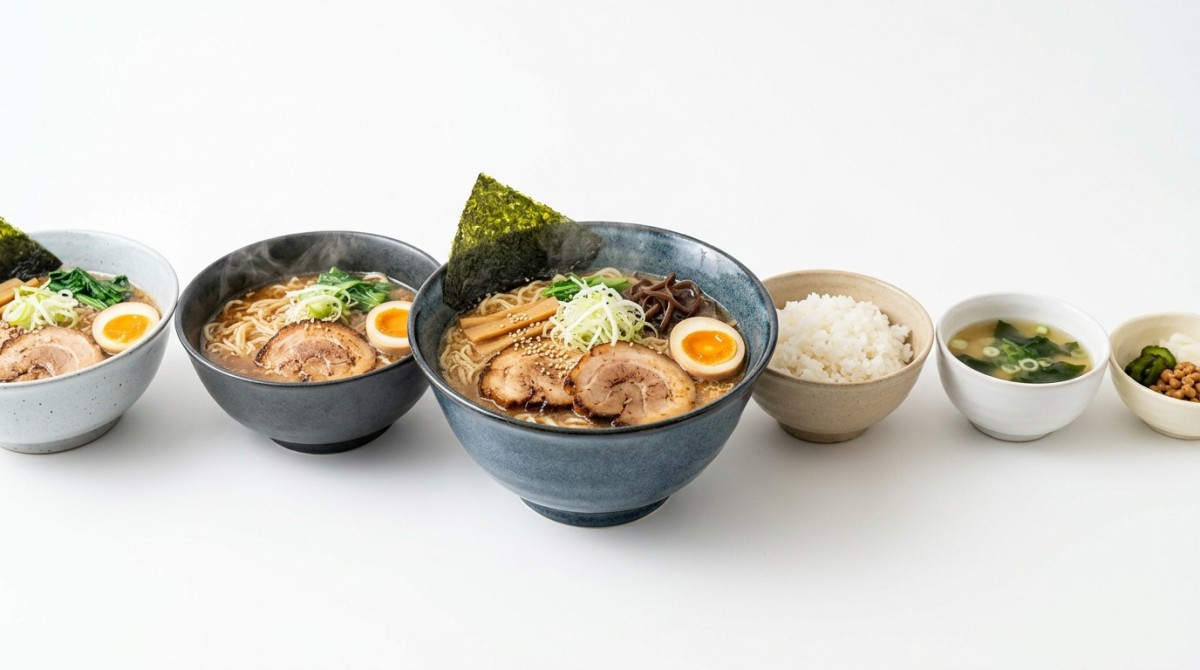
In foodservice and kitchen equipment purchasing, small design details often produce measurable operational effects. A ceramic ramen bowl is a clear example. Bowl depth changes broth temperature retention, noodle coverage, topping arrangement, carrying stability, and even how quickly guests finish a meal. For restaurants serving ramen, rice dishes, breakfast sets, or soup-based menus, this is not a decorative issue but a performance choice.
A shallow bowl may work for dry noodle dishes or limited broth volume, but it can lose heat faster over a 10–20 minute dining window. A deeper ceramic ramen bowl generally protects soup temperature for longer because the liquid mass is more concentrated and less exposed at the surface. In busy dining rooms where service timing varies by 5–10 minutes between tables, that difference can influence customer satisfaction.
Depth also affects portion perception. In many restaurants, a bowl with a depth range of around 7–10 cm can make standard servings look full without forcing operators to increase ingredient cost. This matters to procurement teams balancing food cost control with visual value. For decision-makers managing multiple outlets, consistency in bowl dimensions helps standardize serving size and reduce plating variation across shifts.
From an industry perspective, tableware is increasingly evaluated like other kitchen equipment components: by usability, durability, compatibility, and efficiency. As kitchens become more automated and data-driven, even supporting items such as a ceramic breakfast bowl or ceramic rice bowl are selected with clearer operational criteria rather than only style preferences.
Operational effects of bowl depth in daily service
- Heat retention: deeper bowls usually reduce exposed broth surface area, helping soups stay acceptable during typical service periods.
- Portion control: fixed depth and capacity make it easier to keep broth volume within repeatable ranges such as 450–700 ml.
- Handling safety: a balanced depth-to-diameter ratio can reduce sloshing during transport from pass to table.
- Presentation logic: deeper profiles support vertical topping placement, especially for eggs, sliced meat, seaweed, and vegetables.
These effects are relevant not only to ramen specialists. Hotels, central kitchens, canteens, and premium casual dining operators often need one ceramic bowl family that can cover breakfast porridge, rice, side soups, and noodle applications. Selecting depth correctly can improve cross-menu flexibility and reduce SKU fragmentation.
How do shallow, medium, and deep ceramic bowls compare in real use?
When procurement teams compare bowl designs, they should not look at capacity alone. The relationship between diameter, depth, wall thickness, and base stability changes how a ceramic ramen bowl performs under repeated service. The table below outlines common usage logic for shallow, medium, and deep bowl profiles in commercial and mixed-use kitchen environments.
For many operators, medium-to-deep bowls provide the best balance. They can support a 3-in-1 use case: ramen at lunch, grain bowls at dinner, and soup service during breakfast or buffet periods. This is especially useful when purchasing teams are trying to simplify inventories across 2–5 outlet formats.
However, deeper is not always better. If dishwashing racks, shelf spacing, or tray line systems were designed around lower bowl height, switching to a deep ceramic ramen bowl can reduce throughput. In central kitchens or high-volume institutions, even a 1–2 cm increase in stacking height may affect storage density and wash cycle loading.
That is why bowl selection should be linked to workflow. A restaurant focused on premium noodle presentation may prioritize deeper profiles. A hotel with buffet rotation and broad menu variation may favor medium depth. A household-focused retail buyer may want a ceramic rice bowl set that also works as a ceramic breakfast bowl for daily convenience.
Key comparison factors beyond appearance
1. Service speed
Shallower bowls usually allow faster garnish placement and easier visual inspection. Deep bowls may require more careful topping arrangement, but they often reduce spills during delivery.
2. Guest comfort
Guests often find medium and deep bowls easier for broth-based dishes because utensils sit more securely and splashing is reduced. This matters in dine-in formats where comfort affects repeat visits.
3. Back-of-house fit
Commercial kitchens should verify rack compatibility, stacking safety, and dishwashing clearance before confirming large-volume orders. A visually attractive bowl that slows warewashing can create avoidable labor cost.
What technical and procurement factors should buyers check first?
For buyers in the kitchen equipment sector, bowl depth should be reviewed together with material performance and supply consistency. Ceramic tableware for foodservice is exposed to repeated thermal change, detergent contact, stacking pressure, and mechanical handling. Procurement decisions should therefore evaluate not only shape, but also body density, glaze quality, edge strength, and production consistency across batches.
In practical terms, most purchasing reviews can start with 5 key checkpoints: capacity range, depth and diameter ratio, stackability, surface durability, and delivery reliability. If the bowls will be used in commercial restaurants, buyers should also check suitability for common dishwashing temperatures and frequent handling cycles over 6–12 months of regular use.
The table below helps purchasing teams compare evaluation points when selecting a ceramic ramen bowl, ceramic breakfast bowl, or ceramic rice bowl for different operating environments. It is especially useful for enterprises that need to balance usability, cost control, and supply continuity across domestic and export-oriented procurement.
This type of evaluation matters because tableware purchasing is now more integrated with larger kitchen planning. Restaurants adopting digital inventory systems or automated dishwashing workflows increasingly want standard dimensions and predictable replenishment. A bowl is no longer an isolated item; it is part of a broader efficiency system.
A simple 4-step selection process
- Define menu use: separate broth-heavy dishes, dry dishes, breakfast use, and side-serving needs.
- Check physical fit: confirm storage, dishwashing rack dimensions, and carrying method.
- Review sample performance: inspect finish quality, balance, stacking behavior, and handling comfort over several service cycles.
- Match order plan to delivery needs: align sample approval, production timing, and replacement strategy with opening schedules.
For many B2B buyers, sample review is best done over 7–14 days rather than a single inspection. This gives chefs, service staff, and washing teams time to identify practical issues such as rim chipping, staining, or awkward handling under realistic conditions.
Which application scenarios benefit most from deeper ceramic bowls?
Not every food business needs the same bowl geometry. The best ceramic ramen bowl depth depends on service format, guest expectations, menu engineering, and kitchen pace. In a specialized noodle restaurant, deeper bowls often improve authenticity and help preserve broth aroma. In contrast, a quick-service concept may prefer medium-depth bowls that are lighter and easier to move through high-turnover service.
Hotels and buffet operations face a different challenge. They need tableware that looks refined, survives frequent handling, and works across multiple meal periods. A ceramic breakfast bowl with medium depth can often handle cereal, fruit, yogurt, congee, and light soup. If the same property also serves Asian noodle dishes, adding a deeper ceramic ramen bowl in limited quantities may be a more efficient choice than replacing the full bowl program.
Central kitchens and institutional foodservice operations typically prioritize durability, stackability, and standardized portions. Here, a ceramic rice bowl or medium-depth multi-use bowl may outperform very deep designs because storage density and washing throughput are operational priorities. The correct decision depends on whether the menu requires broth volume, visual plating height, or compact back-of-house handling.
Retail and household channels have another pattern. Consumers often want one bowl that can cover 3–4 daily uses, such as noodles, rice, breakfast, and snacks. In this context, moderate depth is usually the most flexible. It supports practical living, while still reflecting the broader market trend toward multifunctional kitchen products and more design-aware dining.
Scenario-based recommendations
- Ramen restaurant: choose deeper bowls when standard broth volume is high and topping structure matters.
- Hotel buffet: prioritize medium-depth bowls for menu flexibility and easier replenishment.
- Central kitchen or canteen: focus on stack efficiency, consistency, and manageable weight per unit.
- Retail distribution: emphasize versatility, ease of cleaning, and broad household use cases.
Common operational mistakes
Choosing by appearance alone
A visually dramatic ceramic ramen bowl may not fit dish racks, shelving, or carrying trays. Purchasing should always connect front-of-house design with back-of-house practicality.
Ignoring total menu mix
Buying separate bowls for every dish can increase SKU count, storage complexity, and reorder difficulty. In many cases, 2 carefully selected bowl profiles are enough for 70%–80% of daily use.
Underestimating replacement planning
Bowl programs should include replenishment expectations, especially for sites with frequent washing cycles. A stable supplier relationship helps maintain visual consistency across repeat orders.
FAQ: what do buyers, operators, and decision-makers ask most often?
The following questions come up frequently when companies evaluate ceramic bowl programs for restaurants, hospitality projects, distribution, or broader kitchen equipment sourcing. They are also useful for teams comparing a ceramic ramen bowl with a ceramic breakfast bowl or ceramic rice bowl in a multi-scenario product line.
How deep should a ceramic ramen bowl usually be?
A common commercial range is about 7–10 cm, but the right depth depends on broth volume, topping height, and desired presentation. If the menu uses generous soup portions, deeper profiles usually perform better. If the restaurant needs a bowl that can also support rice or breakfast service, medium depth may provide more flexibility.
Can one bowl design work for ramen, rice, and breakfast applications?
Yes, in many operations a medium-depth bowl can cover 3 core uses: soup-based meals, grain dishes, and breakfast service. However, highly specialized ramen concepts often still prefer a separate deep ceramic ramen bowl to preserve the intended dining experience and portion presentation.
What should procurement teams ask suppliers before ordering?
At minimum, ask for dimensional specifications, fill capacity, stacking details, packaging method, sample availability, and estimated lead time. For project orders, buyers should also confirm carton protection, replacement handling for damage, and whether repeat production can maintain the same shape and glaze appearance over future batches.
Are there compliance or quality points worth checking?
Yes. While exact requirements vary by market, buyers generally review food-contact suitability, glaze consistency, safe finishing, and general manufacturing quality control. For export or commercial use, it is also practical to discuss packaging standards, handling instructions, and any documentation commonly requested in the destination market.
How long is a typical order and delivery process?
For many standard tableware projects, sample review may take 7–14 days, while broader production and shipment planning can extend to 2–6 weeks or more depending on order volume, customization level, and destination. Early confirmation of dimensions and packaging can reduce delays.
Why choose us for ceramic bowl selection, sourcing, and project support?
In today’s kitchen equipment market, buyers need more than a product list. They need practical support that connects tableware choice with menu needs, kitchen workflow, delivery planning, and long-term replenishment. We focus on application-based guidance so customers can evaluate ceramic ramen bowl depth, ceramic breakfast bowl versatility, and ceramic rice bowl practicality using real operating criteria rather than guesswork.
Our support approach is suitable for information researchers comparing options, operators testing service performance, procurement teams building supplier shortlists, and business decision-makers planning cost-effective standardization. We can discuss 4 key areas in detail: parameter confirmation, product selection logic, delivery timing, and customization direction based on your business model.
If you are evaluating a new bowl program, you can contact us to review capacity and depth recommendations, menu-match suggestions, sample options, packaging expectations, and project timelines. If you are replacing existing tableware, we can also help compare alternative profiles for ramen service, breakfast use, or broader multi-purpose kitchen application.
Contact us with your target dimensions, expected use scenario, estimated order quantity, delivery region, and any certification or packaging concerns. That allows a faster discussion on product selection, sample support, quotation communication, and whether a standard or custom ceramic bowl solution is the better fit for your operation.
Popular Tags
Kitchen Industry Research Team
Dedicated to analyzing emerging trends and technological shifts in the global hospitality and foodservice infrastructure sector.
Industry Insights
Join 15,000+ industry professionals. Get the latest market trends and tech news delivered weekly.
No spam. Unsubscribe anytime.

Contact With us
Contact:
Anne Yin (Ceramics Dinnerware/Glassware)
Lucky Zhai(Flatware)