
How to Improve Lid Fit on a Glass Sugar Jar?
A poorly fitting lid on a glass sugar jar can affect freshness, hygiene, and daily convenience. Whether you use a glass cookie jar, glass flour container, or glass nut jar in home or commercial kitchens, improving lid fit helps protect ingredients and enhance storage efficiency. This guide explains practical ways to check sealing performance, identify common causes of loose lids, and choose better storage solutions.
Why does a glass sugar jar lid stop fitting properly?
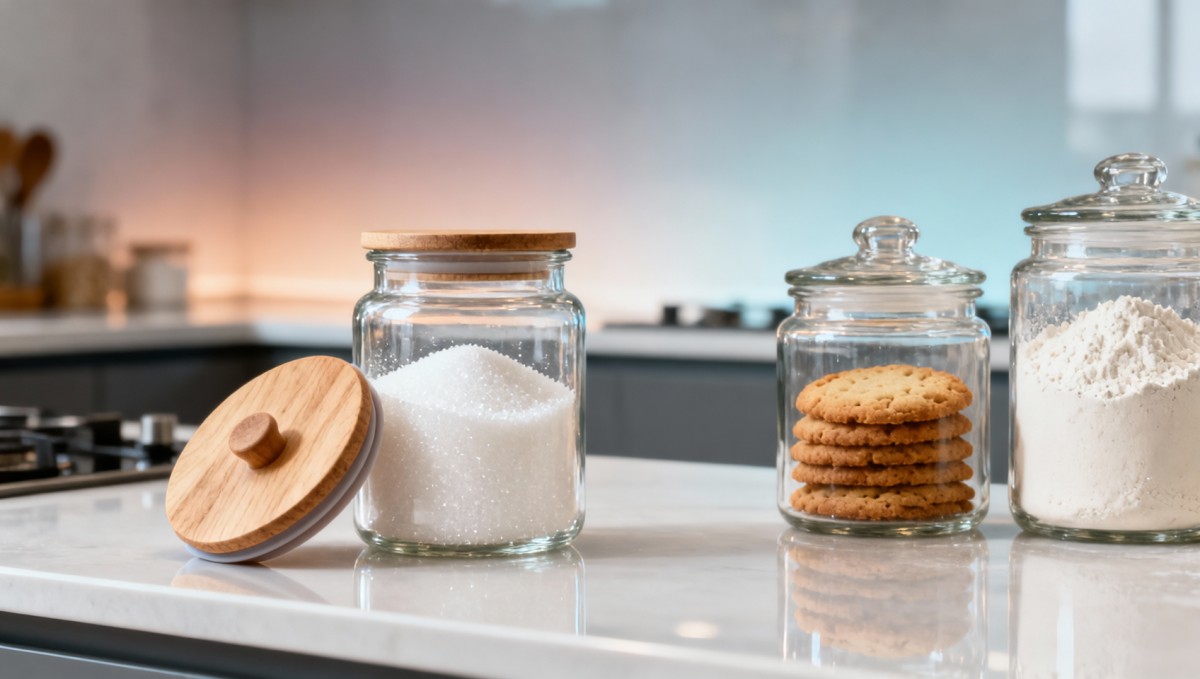
In kitchen equipment use, lid fit is not only a convenience issue. In restaurants, hotels, central kitchens, and household storage areas, a loose glass sugar jar lid can shorten product freshness, increase moisture exposure, and make daily dispensing less controlled. For operators and buyers, the problem usually begins with repeated opening cycles, material mismatch, or poor dimensional consistency between the jar rim and the lid.
A typical lid fit problem appears in 3 forms: the lid sits too loosely, the lid rocks from side to side, or the lid seals at first but becomes unstable after 2–6 months of regular use. In commercial kitchens with high opening frequency, some containers may be opened 20–50 times per day. Under that cycle, even a small tolerance shift can affect sealing performance.
For procurement teams, it is important to separate a user issue from a manufacturing issue. Sometimes the jar is structurally sound, but sugar residue, syrup splash, or repeated dishwasher exposure creates a false impression of poor fit. In other cases, the rim finish, gasket aging, or lid warping is the real cause. Correct diagnosis prevents unnecessary replacement and supports better purchasing decisions.
The kitchen equipment industry increasingly values storage reliability because food safety, workflow efficiency, and standardized operations are now tied closely to container performance. A storage jar used for sugar, salt, dry toppings, or condiments must work within routine temperature swings, frequent handling, and cleaning cycles. This makes lid fit a small detail with operational impact.
Common technical reasons behind a loose lid
Several causes are common across both residential and commercial environments. The first is dimensional variation. Even a slight mismatch around the neck finish can reduce friction or compression. The second is gasket wear. Silicone, rubber, or foam sealing parts may compress permanently after long-term use. The third is contamination. A thin layer of sugar dust or oil film can prevent the lid from sitting evenly.
- Rim irregularity: chips, rough finishing, or uneven glass thickness may stop the lid from closing level.
- Seal fatigue: gasket elasticity often declines after repeated washing, heat exposure, or compression storage.
- Material movement: some wooden, bamboo, or plastic lids may expand or shrink with humidity changes over seasonal cycles.
- Application mismatch: a decorative cookie jar lid may not be designed for airtight dry ingredient storage.
For decision-makers sourcing kitchen storage solutions, this means one simple lesson: do not evaluate jars only by appearance. Lid construction, seal material, and fit consistency matter just as much as volume, shape, or price point.
How can you check sealing performance before trying a fix?
Before modifying a glass sugar jar lid, users should confirm whether the issue is true sealing failure or just low closing resistance. In many cases, the jar still protects dry goods adequately, but the lid feels less firm because of wear or surface smoothness. A simple evaluation process helps operators decide whether cleaning, replacement, or full container upgrade is the right next step.
A practical inspection can be completed in 4 steps and usually takes less than 10 minutes per container. This is especially useful for cafés, bakeries, hotel kitchens, and food preparation lines where multiple storage jars are used. If your team audits containers every month or every quarter, lid fit problems can be corrected before ingredient quality is affected.
4-step inspection checklist for operators and buyers
- Clean the rim and lid contact surface completely. Remove sugar crystals, dust, grease, and detergent residue.
- Check the rim under direct light. Look for chips, uneven edges, or visible out-of-round sections.
- Inspect the gasket or sealing ring. Press it lightly to see whether elasticity returns within 1–2 seconds.
- Close the lid and test for movement. Gently rotate, lift, and tilt the jar to identify rocking, slip, or air gaps.
If the lid shifts easily during a light tilt test, or if dry ingredients show clumping after 7–14 days in a humid environment, the sealing performance is likely below normal storage expectations. In commercial kitchens, this matters because sugar and other dry ingredients often sit close to steam, dishwashing areas, or prep stations with variable humidity.
Buyers comparing glass storage containers should also ask whether the container is intended for display, general storage, or airtight preservation. These are not always the same thing. A visually attractive jar used in front-of-house service may have a lighter-fit lid than a back-of-house dry storage container designed for repeated opening and controlled sealing.
Quick evaluation table for lid fit problems
The following table helps operators, purchasing staff, and decision-makers identify whether the issue is caused by maintenance, design, or replacement need.
This table shows that not every loose lid requires immediate replacement. In many kitchens, one cleaning cycle and a closer seal inspection can solve the issue. But if the jar is used daily in high-humidity zones, a higher-spec storage solution is usually more cost-effective than repeated short-term fixes.
What practical methods improve lid fit on a glass sugar jar?
The best fix depends on how the lid is constructed. A push-on lid, screw lid, clamp lid, or wooden cap with sealing ring each behaves differently. For kitchen users, the goal is to improve lid fit safely without contaminating ingredients or damaging the container. For procurement teams, the larger goal is to reduce storage failure across batches of jars used in daily operations.
In general, practical fixes fall into 3 levels: maintenance adjustment, replaceable component correction, and full container replacement. A maintenance fix is suitable when the jar and lid are still structurally sound. Component correction works when the gasket or lid insert is removable. Full replacement is preferred when glass tolerances, chipped rims, or repeated fit failure make the jar unreliable.
Low-risk fixes suitable for daily kitchen use
- Wash and fully dry both surfaces before testing. Moisture trapped under a lid can reduce grip and mislead users during fit checks.
- Re-seat the gasket if the seal has shifted. Many silicone rings twist slightly after dishwashing or hand scrubbing.
- Replace a worn sealing ring with a food-contact compatible alternative of the same profile and diameter range.
- Match lids only to the original jar model or neck finish. Similar-looking lids often differ by small but important tolerance ranges.
For wooden or bamboo lids, humidity control matters. These materials can expand in wet storage and shrink in dry air over time. If a lid becomes unstable after repeated washing, reduce soaking time and avoid prolonged exposure near steam equipment. In many foodservice settings, keeping dry storage containers away from dishwashers and boiling stations can noticeably improve performance over 3–6 months of use.
Avoid unapproved adhesives, tapes, or chemical sealers inside the food-contact zone. They may create hygiene risks, leave residue, or interfere with cleaning procedures. In regulated kitchen environments, especially those supplying hotels, cafés, or light food processing operations, simple mechanical correction is preferable to improvised sealing methods.
When should you stop repairing and replace the jar?
Replacement is usually the better choice if any of the following conditions apply: visible chips on the rim, repeat sealing failure after 2 repair attempts, a non-removable deformed lid, or storage use in a high-humidity environment where ingredient stability is critical. For procurement managers, replacement is also recommended if inconsistent fit appears across a batch of containers delivered together.
A reasonable service review cycle is every 6–12 months for moderate household use and every 2–4 months for high-frequency commercial use. This does not mean every lid must be replaced on that schedule. It means the seal, contact surface, and jar condition should be checked against operational requirements.
Which lid types and jar solutions work better in different kitchen scenarios?
Not all glass sugar jar designs suit the same application. A home kitchen may prioritize style and easy access. A hotel breakfast station may need quick opening with presentable display. A bakery, café, or central kitchen may prioritize repeatable sealing, stackability, and quick cleaning. Choosing the right structure from the start reduces fit problems and replacement cost.
In the broader kitchen equipment industry, storage solutions are increasingly selected by workflow, not just by appearance. As operations become more standardized and efficiency-driven, procurement teams compare lid systems by opening frequency, cleaning method, ingredient sensitivity, and service life. A jar used 5 times per week is very different from one used 30 times per day.
The table below compares common lid types for glass sugar jars and similar dry ingredient containers in commercial and household settings.
For sugar storage, a gasket-supported lid usually performs better than a simple decorative cover when humidity control matters. For procurement teams managing multiple outlets, standardizing one or two lid systems can reduce spare-part confusion, simplify cleaning routines, and improve batch purchasing efficiency.
Scenario-based selection logic
Home kitchens and premium retail display
Appearance, transparency, and access speed are often the main priorities. A glass sugar jar with a silicone-lined wooden lid usually offers a good balance, provided the environment is dry and the lid is not exposed to aggressive washing every day.
Restaurants, cafés, and hotel breakfast stations
These environments need repeatable opening, quick refill, and clean presentation. Buyers should focus on lids that remain stable through daily handling and support routine cleaning intervals of 1–7 days, depending on product turnover.
Bakeries, food prep areas, and central kitchens
Operational reliability comes first. Clamp or gasket-driven systems are often better because they provide more measurable closure performance. This is especially relevant when sugar, flour, seeds, or dry ingredients are stored in larger volumes and used continuously across shifts.
What should procurement teams and decision-makers evaluate before ordering?
If lid fit problems appear repeatedly, the root issue may lie in specification rather than maintenance. Procurement teams should evaluate jars as functional kitchen equipment components, not only as accessories. The right purchase decision should balance seal stability, cleaning compatibility, replacement planning, and supply consistency across future orders.
A useful procurement review usually covers 5 key points: lid structure, seal material, tolerance consistency, cleaning method, and replacement support. For businesses operating multiple kitchens or hospitality sites, it is also wise to confirm sample approval before bulk purchase. A 1–2 week sample review can reveal issues that product photos never show.
Procurement checklist for glass sugar jars and related dry storage containers
- Confirm whether the lid is decorative, dust-resistant, or designed for true dry-storage sealing.
- Ask about gasket material and whether replacements can be supplied in future batches.
- Check tolerance consistency across samples, especially if the order volume covers multiple outlets.
- Review compatibility with hand washing, dishwashing, and temperature variation in real kitchen use.
- Assess packaging and transport protection, because impact during shipping can affect lid fit before first use.
Lead times vary by design complexity, quantity, and customization level. Standard stock items may move faster, while custom logo, packaging, or lid material changes can extend delivery into a 2–6 week range. For decision-makers with rollout schedules, early sample approval and spare component planning reduce later operational friction.
Where food-contact components are involved, buyers may also request supporting compliance documents relevant to destination markets and material use. Exact requirements depend on region and application, but clear documentation helps reduce import risk and supports professional purchasing procedures.
How replacement cost compares with better specification
The table below helps compare short-term repair thinking with long-term procurement logic. In many kitchens, a slightly better jar-and-lid specification reduces waste, operator complaints, and repeated reordering.
This comparison matters for B2B buyers. The cheapest jar is not always the lowest-cost solution over 6–12 months. If staff repeatedly report poor fit, or ingredients lose condition in storage, the operational cost can exceed the price difference between entry-level and better-specified containers.
FAQ: common questions about improving lid fit on a glass sugar jar
Can a loose lid still be safe for sugar storage?
It depends on the environment and usage frequency. In a cool, dry kitchen with low humidity, a slightly loose lid may still be acceptable for short storage cycles of a few days. In a commercial setting with steam, frequent opening, and nearby washing activity, even a minor loss of seal can lead to clumping and hygiene concerns much faster.
Is it better to replace the whole jar or only the lid?
If the glass rim is intact and the lid design uses a replaceable seal or matching spare lid, partial replacement is usually efficient. If the rim is chipped, tolerance is inconsistent, or the lid has no reliable replacement path, full jar replacement is the safer choice. For purchasing teams, spare-part availability should be checked before large orders.
What materials usually offer better long-term lid fit?
In many kitchen storage applications, lids with food-grade silicone sealing elements tend to offer more stable dry-storage performance than purely decorative friction lids. However, actual results still depend on the jar neck finish, opening frequency, cleaning method, and whether the lid is designed for airtight use or just cover placement.
How often should glass sugar jar lids be checked in commercial kitchens?
A practical interval is every month for active front-of-house or prep-area use, and every quarter for lower-frequency storage. High-turnover bakeries, cafés, and hotel service stations may benefit from checking fit during routine sanitation reviews, especially when a jar is opened dozens of times per day.
Why choose us for kitchen storage selection and project support?
Choosing the right glass sugar jar or dry ingredient container is not just about appearance. It involves lid fit, seal durability, cleaning compatibility, and supply reliability across real kitchen workflows. In the kitchen equipment industry, these details matter because restaurants, hotels, food processing operations, and household buyers all need storage solutions that support food safety, efficiency, and consistent daily use.
We can support your evaluation with practical consultation on container type, lid structure, gasket options, and suitable use scenarios for sugar, flour, cookies, nuts, and other dry ingredients. If you are comparing stock items or planning a larger procurement, we can also discuss sample arrangements, specification confirmation, packaging requirements, and expected delivery windows.
For buyers, operators, and decision-makers, the most useful discussion points usually include 6 areas: product sizing, sealing method, replacement parts, cleaning method, customization scope, and order quantity planning. If your use case involves multi-site distribution, hospitality presentation, or back-of-house standardization, these details can be confirmed before ordering.
Contact us if you want help with parameter confirmation, product selection, sample support, delivery schedule review, custom storage solutions, or quotation comparison. A clear discussion at the start can help you avoid loose-lid issues, reduce replacement frequency, and choose a glass jar solution that fits real kitchen operations.
Popular Tags
Kitchen Industry Research Team
Dedicated to analyzing emerging trends and technological shifts in the global hospitality and foodservice infrastructure sector.
Industry Insights
Join 15,000+ industry professionals. Get the latest market trends and tech news delivered weekly.
No spam. Unsubscribe anytime.
Hot Articles
Contact With us
Contact:
Anne Yin (Ceramics Dinnerware/Glassware)
Lucky Zhai(Flatware)