
How to Choose Glass Office Decor Vases That Enhance Reception and Meeting Spaces
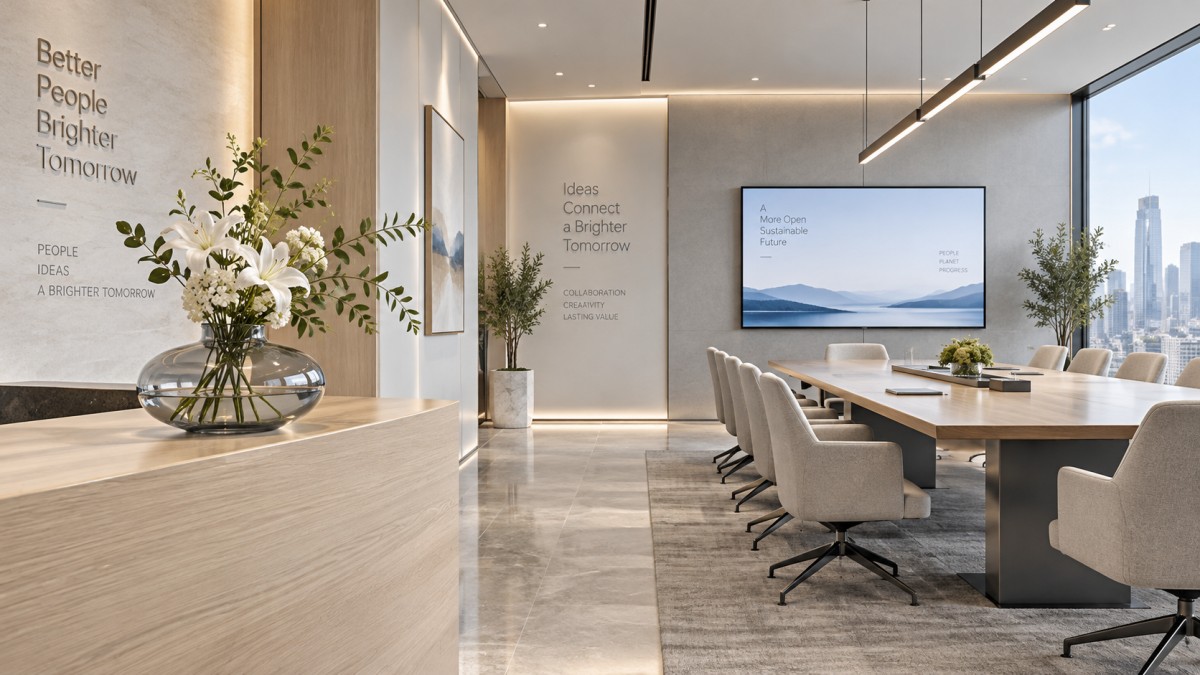
A reception desk can look unfinished even when the furniture, signage, and lighting are well considered. The same issue appears in meeting rooms: a large table may feel cold and overly formal, while an arrangement that is too tall, colorful, or fragile can become a distraction during conversations. A glass office decor vase is often a small detail, but it affects the visual balance of the room and the impression visitors form before a meeting begins.
The best choice is usually not the most decorative vase. It is the one that matches the scale of the surface, supports the room’s level of formality, stays stable in daily use, and looks intentional whether it holds fresh stems, dried branches, or nothing at all. Start with placement and proportion, then assess glass type, shape, color, safety, and maintenance. This order prevents a common mistake: buying a visually appealing vase that becomes impractical once it reaches the office.
Begin with the role the vase needs to play
A vase used in a reception area serves a different purpose from one placed at the center of a conference table. Reception decor is seen from a distance and often needs enough presence to anchor the desk, console, or waiting-area table. A meeting-space vase is viewed at close range and should improve the room without blocking sightlines or taking up useful table space.
Before comparing styles, decide whether the vase should be a quiet supporting element or a visual focal point. This single choice narrows the options quickly.
- Supporting decor: Choose clear, lightly tinted, or softly textured glass in a restrained shape. These vases work well beside signage, literature displays, lamps, or framed brand materials.
- Focal-point decor: Choose a more sculptural silhouette, substantial glass, or a larger arrangement. This suits a spacious reception counter, lobby sideboard, or wide communal table.
- Functional floral vessel: Prioritize an opening that supports the intended stems and a shape that can hold water securely.
- Decorative object without flowers: Look for proportion, glass clarity, and silhouette first. An empty vase should still appear deliberate rather than incomplete.
Trying to make one vase do every job often leads to an awkward result. A tall floor vase may look appropriate near a reception seating area but is unsuitable for a meeting table. A small bud vase may add refinement to a boardroom but disappear on a broad entrance counter.
Match height and width to the furniture, not just the room
Office decor is experienced from seated and standing positions. A vase that looks modest while standing beside a desk may look oversized when someone is seated across from it. Measure the display surface first, including the practical space already occupied by monitors, visitor sign-in devices, brochures, refreshments, or shared meeting materials.
For a reception counter, leave enough open area for routine interactions. The vase should not compete with a sign-in point, hide a nameplate, or force visitors to lean around it. A wider, lower vessel can often create more visual weight than a tall narrow one while remaining easier to see past.
On a meeting table, keep the overall arrangement low enough that people can make eye contact across it. A short vase with a compact cluster of flowers, greenery, or branches is usually more useful than a dramatic centerpiece. Tall arrangements may be suitable for a sideboard or credenza within the same room, where they add atmosphere without interfering with discussion.
Width matters as much as height. A narrow cylinder on a large table can appear accidental unless it is part of a grouped arrangement. A wide bowl or rounded vase creates a stronger presence but needs clear space around it. Avoid placing a broad vase where laptops, notebooks, water glasses, or shared documents are regularly used.
Choose a silhouette that supports the arrangement
Glass vases are not interchangeable containers. Their neck shape changes how stems spread, how often an arrangement needs adjusting, and whether the display looks composed or untidy after a few days.
A frequent mismatch occurs when a wide-mouthed vase is used for only a few thin stems. The stems separate, lean outward, and expose too much empty space. In that situation, either add more material, select fuller branches, or move to a narrower-neck vessel. Conversely, forcing a dense bouquet into a tight opening can make the flowers look compressed and makes water changes more difficult.
Clear, colored, and textured glass create different effects
Clear glass is the most flexible option because it works with nearly any palette and does not compete with surrounding finishes. It is particularly useful in offices with changing seasonal arrangements or neutral interiors. The trade-off is that water lines, cut stems, and residue are visible. Clear glass therefore requires more consistent upkeep if it will hold fresh flowers.
Light smoke, amber, pale green, or soft gray glass can add warmth without becoming overly decorative. These subtle tones suit spaces with wood, stone, bronze, black metal, or warm neutral furnishings. They can also hide stems and slightly clouded water better than completely transparent glass. Strongly saturated glass is more difficult to place because it may conflict with wall colors, upholstery, or printed materials already present in the room.
Textured, frosted, ribbed, or bubble-effect glass adds interest when the vase will often remain empty or hold simple foliage. It can soften glare near windows and reduce the visibility of stems. However, a heavily patterned vase beside busy artwork, patterned carpet, or detailed wallpaper can make the area feel cluttered. In a visually active room, smooth glass is usually the calmer choice.
Assess stability before considering decorative details
Office environments are active. People place bags on counters, reach across tables, move chairs, clean surfaces, and carry documents around corners. A vase that is safe on a quiet shelf may be poorly suited to a high-traffic desk or a crowded meeting room.
Look for a base that is proportionate to the height of the vase and the type of arrangement you plan to use. Tall branches create leverage, so they need a vessel with a broader or heavier base than short flowers do. Thin, lightweight glass can be appropriate for a protected shelf but is less forgiving on a busy reception counter.
Where the vase will sit near an edge, a lower profile is generally safer. Avoid placing it directly beside equipment cables, frequently handled display materials, or door swings. A vase should also not be positioned where staff need to reach across it repeatedly. Moving it away from the main workflow is more effective than choosing a slightly smaller version of the same unstable design.
Consider the furniture surface as well. Highly polished stone, glass tabletops, and lacquered desks can make a vase slide when bumped. A discreet protective pad beneath the base may help prevent scratching and movement, provided it does not look improvised or trap moisture.
Use floral material that fits the office routine
Fresh flowers bring life to a reception area, but they ask for regular attention. Water needs changing, faded stems need removing, and fallen petals can make a polished space look neglected quickly. If no one has a clear responsibility for this upkeep, choose a simpler approach: a clean empty vase, dried botanical material, well-maintained artificial stems, or long-lasting greenery.
Fresh arrangements are best when the office already has a routine for cleaning common areas. In that case, choose flowers that do not shed heavily and avoid strongly scented varieties in enclosed meeting rooms. Fragrance can be pleasant to one visitor and uncomfortable to another, especially during long discussions or presentations.
Dried branches and grasses work well in tall reception vessels because they hold their form and need little attention. Their limitation is dust. In an area with frequent foot traffic or open windows, they should be dusted carefully and replaced if they become faded, brittle, or visibly uneven. Artificial stems can be practical, but their appearance depends on condition; faded fabric, bent leaves, or dusty surfaces undermine the intended polished effect.
Coordinate with the room without making everything match
A glass office decor vase does not need to replicate every color in the interior. It should instead relate to one or two existing elements: the metal finish of door hardware, the warmth of a wood reception desk, the shape of pendant lights, or the formality of the seating. This creates continuity without turning the vase into an obvious matching accessory.
Minimal offices often benefit from cylindrical, bottle-shaped, or gently curved forms with clear or lightly smoked glass. Spaces with softer furnishings may suit rounded vases and organic branches. In more formal meeting rooms, symmetry can be effective: two small matching vases on a credenza may feel more composed than one large statement piece. In a casual collaboration area, an asymmetrical arrangement can feel natural, provided it does not look like leftover decoration.
Be careful with trend-driven shapes that depend on a particular color palette or a very informal atmosphere. A sculptural vase can be memorable, but it should still look appropriate when the flowers are removed and when the room is used for serious conversations, presentations, or visitor meetings.
Plan for cleaning before the vase is put into service
Maintenance is often the deciding factor between two otherwise suitable designs. Deep, narrow vessels are difficult to reach into. Vases with sharply angled interiors can collect residue near the bottom. Decorative ridges and textured surfaces show less water staining than clear glass, but they can hold dust in the grooves.
For a vase used with fresh flowers, rinse it whenever the water is changed and do not allow cloudy water to remain visible in a reception area. A bottle brush is useful for narrow-neck shapes. Avoid abrasive cleaning tools that can leave fine scratches, especially on clear glass where marks show under overhead lighting. Dry the outside thoroughly before returning the vase to a wood, stone, or paper-covered surface.
For an empty decorative vase, inspect it from the same viewpoint visitors use. Fingerprints on the front, dust inside the rim, and residue at the base are more noticeable under reception lighting than they may appear during cleaning. A simple, easy-to-wipe form may be the better long-term choice for a shared office.
Questions that often affect the final choice
Should a reception vase always contain flowers?
No. A well-proportioned vase can stand alone, especially when the reception area already has plants, artwork, or strong architectural details. Empty clear glass can look sparse on a large surface, while textured or tinted glass tends to retain more visual presence without an arrangement.
Is one large vase better than several small ones?
One substantial vase is easier to maintain and usually creates a cleaner impression on a reception desk. Small grouped vases can work on a long sideboard or a large communal table, but each one adds cleaning and placement demands. Use multiple vessels only when the furniture scale supports them.
Can tall glass vases be used in meeting rooms?
They are better placed on a side surface than at the center of a table. The main concern is not only tipping; tall stems and vase rims can interrupt eye contact, conceal presentation materials, and make a compact room feel crowded.
The strongest selection is usually the vase that still looks right after a busy workday: stable on its surface, clean under office lighting, proportionate to the furniture, and quiet enough that the room remains focused on the people using it.
Popular Tags
Kitchen Industry Research Team
Dedicated to analyzing emerging trends and technological shifts in the global hospitality and foodservice infrastructure sector.
Industry Insights
Join 15,000+ industry professionals. Get the latest market trends and tech news delivered weekly.
No spam. Unsubscribe anytime.

Contact With us
Contact:
Anne Yin (Ceramics Dinnerware/Glassware)
Lucky Zhai(Flatware)